
Week 9 Start 'Em, Sit 'Em: Attack the soft matchups, avoid the volume traps
Four featured calls set the tone, with quarterback and tight end streamers worth chasing and two high-profile fades in tough spots.
The Week 9 board is about opposing matchup strength first, then asking whether the player’s recent usage can hold up. The calls below lean on the last three weeks, the opponent’s fantasy points allowed to the position, and the team’s implied total.
The Headliners
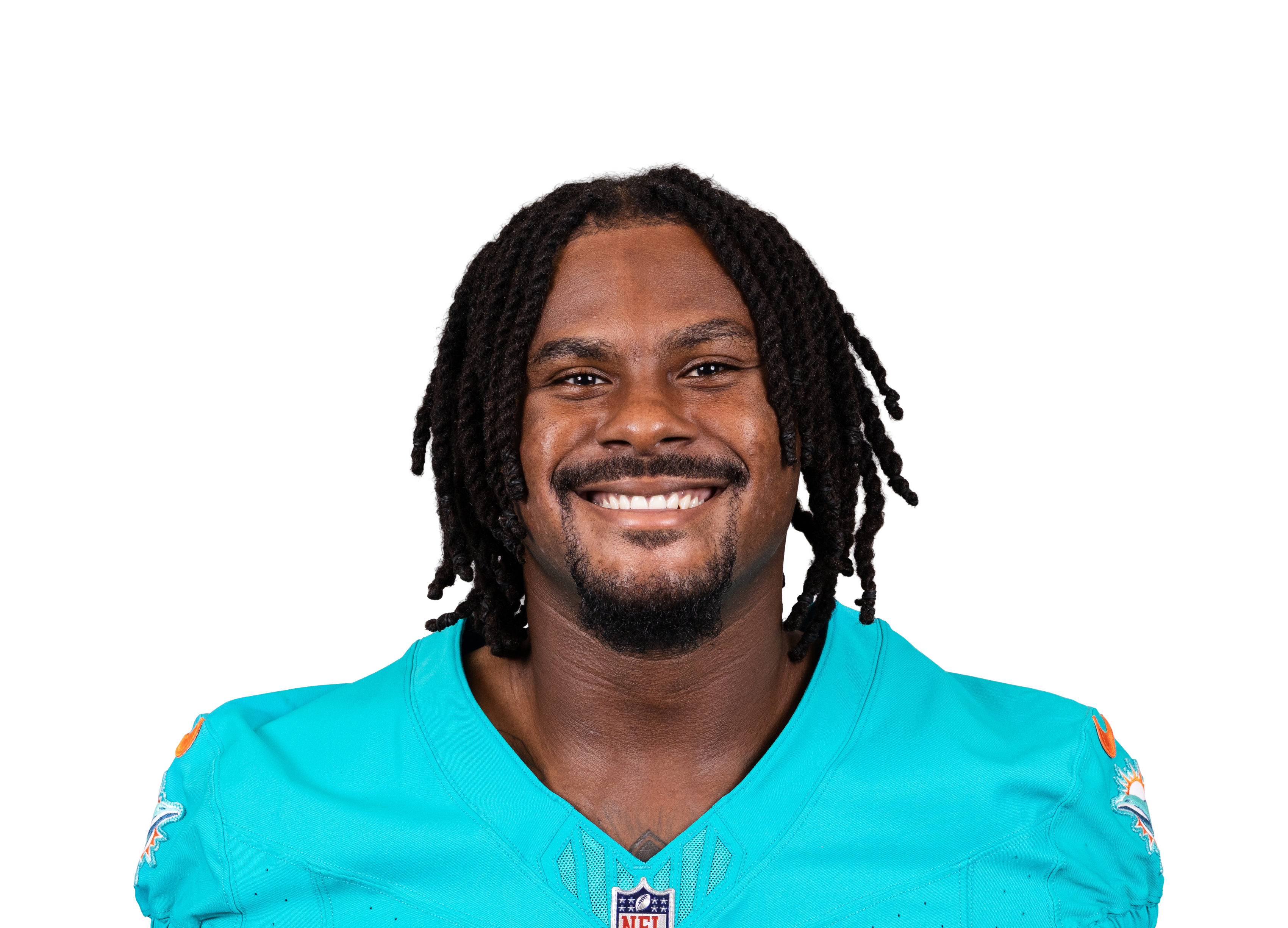
 Start: Malik Willis (QB, MIA) vs DET
Detroit has allowed 24.8 PPR points per game to quarterbacks, the most in the league, and that is enough to push Willis into the start column despite a modest season line. His last three games are the real reason to trust him here: 19.8 PPR per game, plus 5.7 carries per game over that stretch. Miami’s 21.8 implied total is not huge, but the matchup is strong enough to lean into.
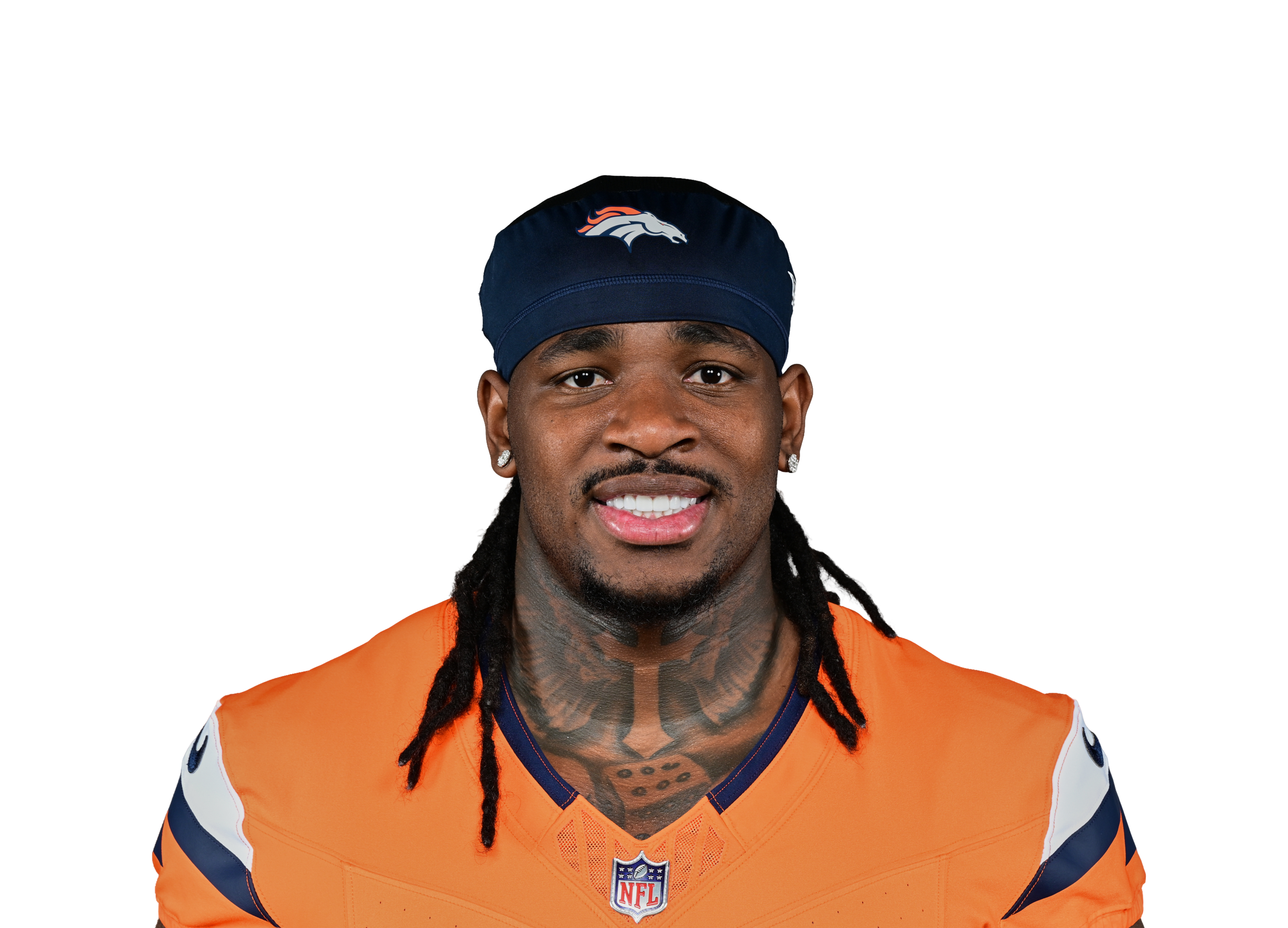
 Start: Jonah Coleman (RB, DEN) at CAR
Carolina has given up 28.3 PPR points per game to running backs, second most in the NFL, which makes Coleman a clear target in this spot. His last three games show steady involvement with 10.0 carries per game and 12% target share, and Denver’s 23.5 implied total gives him a workable scoring environment. The profile is more solid than flashy, but the matchup does the heavy lifting.
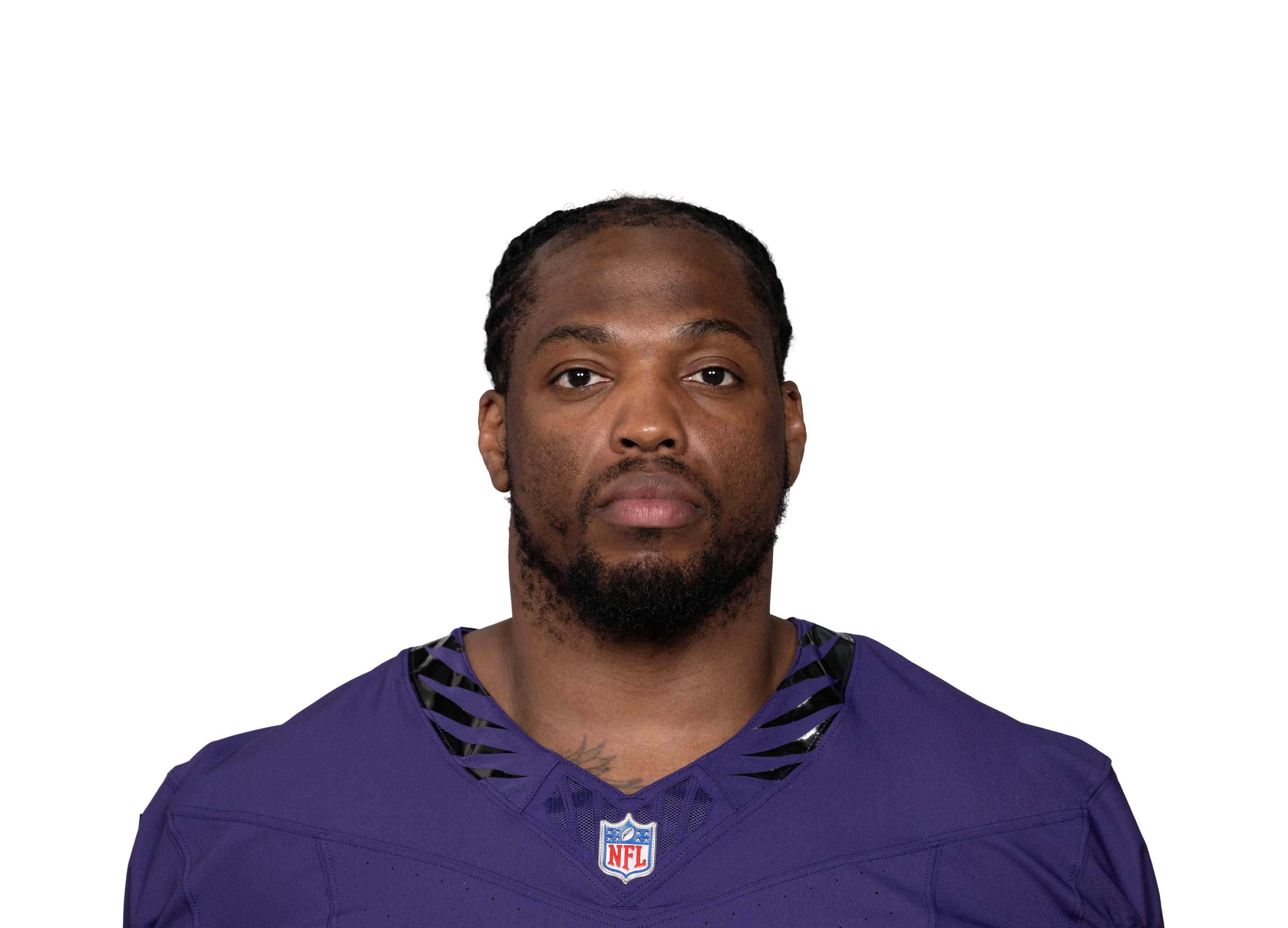
 Sit: Derrick Henry (RB, BAL) vs JAX
Jacksonville has allowed just 16.8 PPR points per game to running backs, the fewest in the league, and that is a real drag on Henry’s ceiling. His last three games have already dipped to 8.3 PPR per game, and Baltimore’s 14.8 implied total is too light to project a clean rebound. The name carries more weight than the setup.
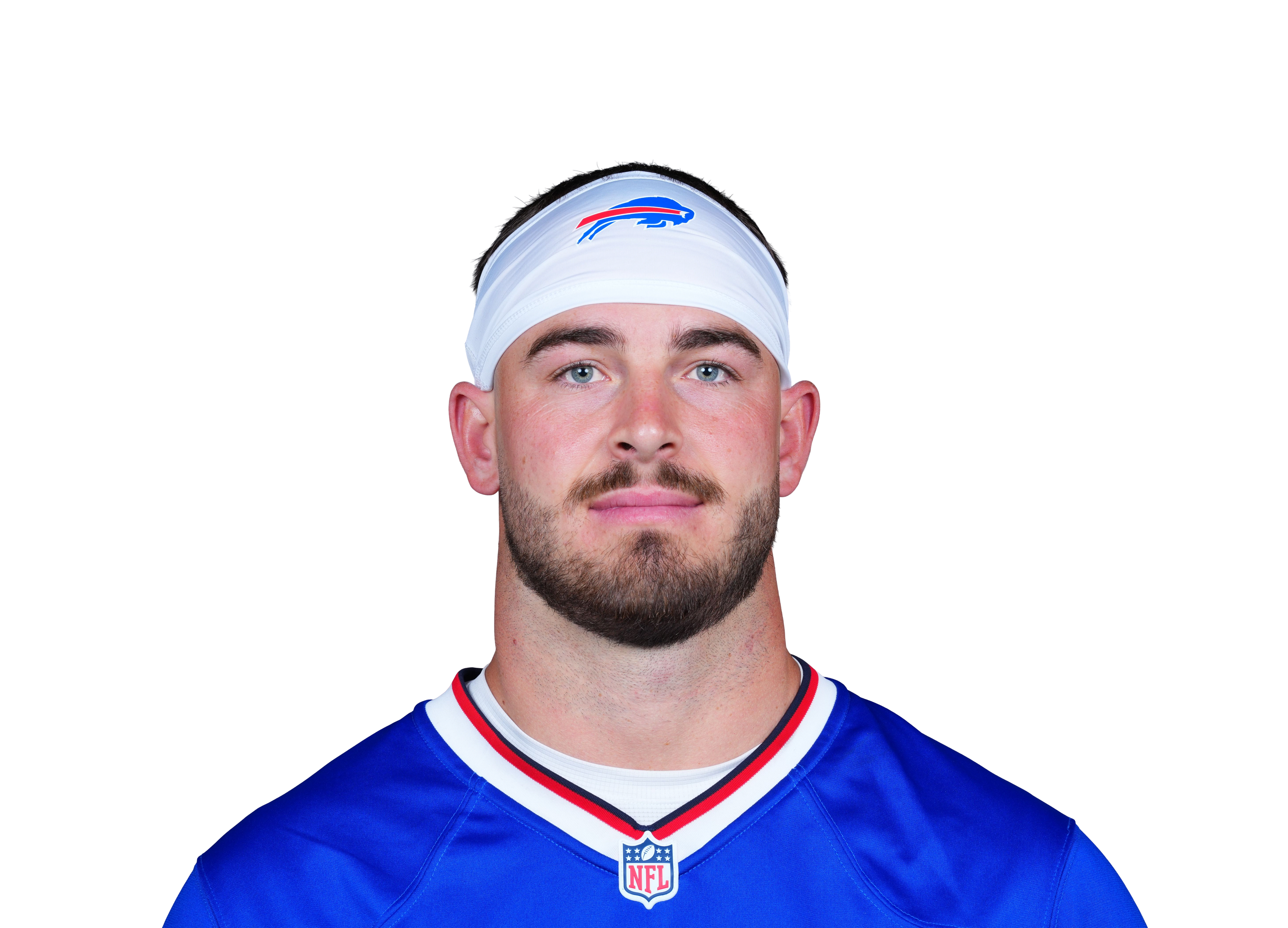
 Sit: Dalton Kincaid (TE, BUF) at MIN
Minnesota has allowed only 7.1 PPR points per game to tight ends, fewest in the NFL, so Kincaid is a sit even with a healthy 19% target share over his last three. His season production is still usable, but the recent 11.0 PPR per game and Buffalo’s 24.5 implied total do not override the matchup. Tight end volume helps, but this is the wrong defense to chase.
Quarterbacks

 Start: Matthew Stafford (QB, LA) at WAS
Washington has allowed 20.0 PPR points per game to quarterbacks, fourth most, and Stafford gets the cleanest start case in this section. His last three games have settled at 14.2 PPR per game, which is fine when paired with a 26.5 implied total for Los Angeles. The matchup gives him enough room to beat that recent baseline.
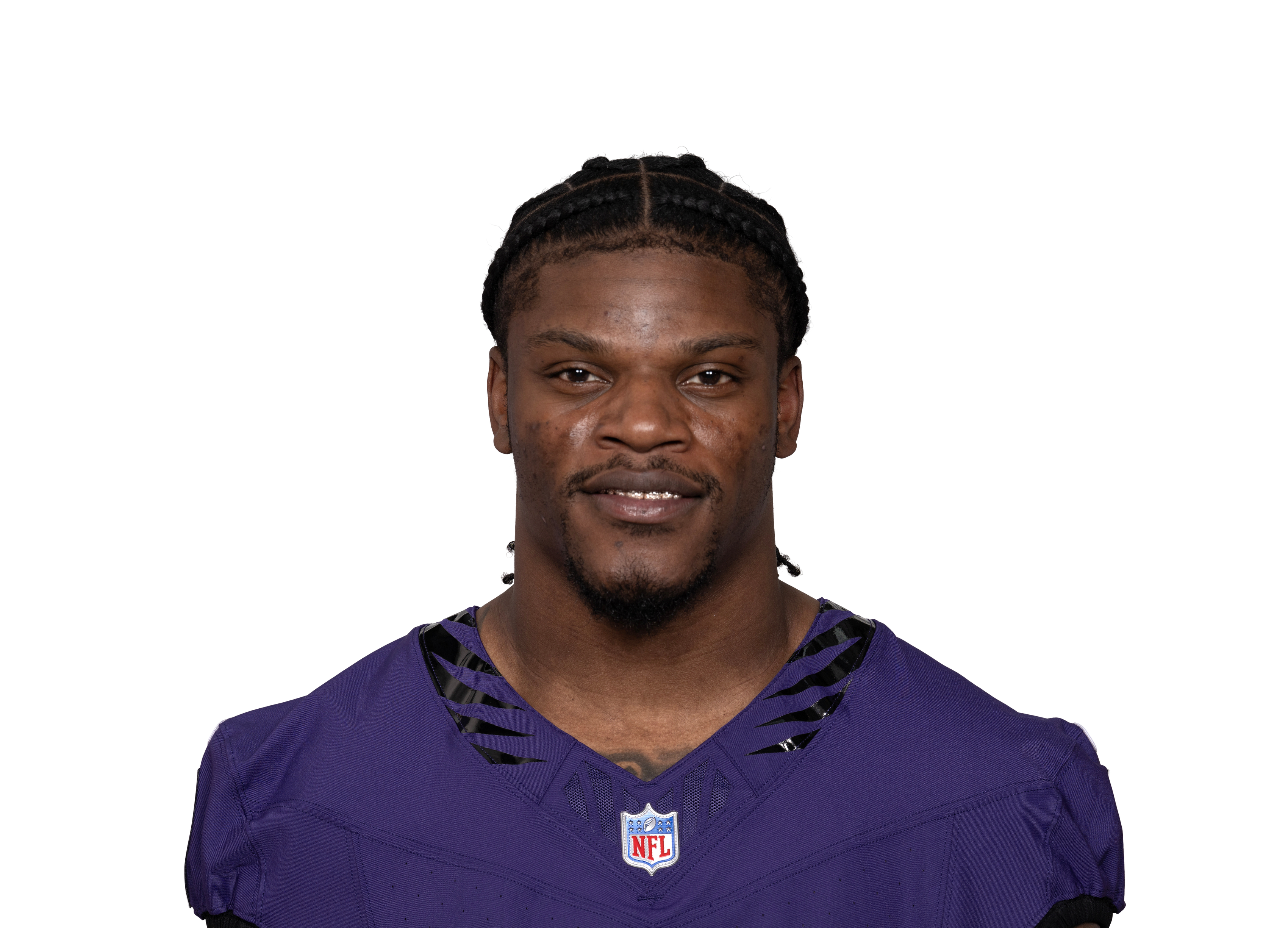 Sit: Lamar Jackson (QB, BAL) vs JAX
Jacksonville has limited quarterbacks to 14.3 PPR points per game, and that is enough to make Jackson more fragile than usual in fantasy lineups. His last three games have only produced 13.1 PPR per game, and Baltimore’s 14.8 implied total is one of the weakest on the slate. You are betting on efficiency in a spot that does not project much offense.

 Sit: Tyler Shough (QB, NO) vs CLE
Cleveland has allowed 13.4 PPR points per game to quarterbacks, seventh fewest, which pushes Shough into sit territory. His last three have reached 13.5 PPR per game, but that is not enough cushion against a defense that suppresses quarterback scoring this well. New Orleans’ 22.8 implied total is decent, but not enough to erase the matchup.
Running Backs
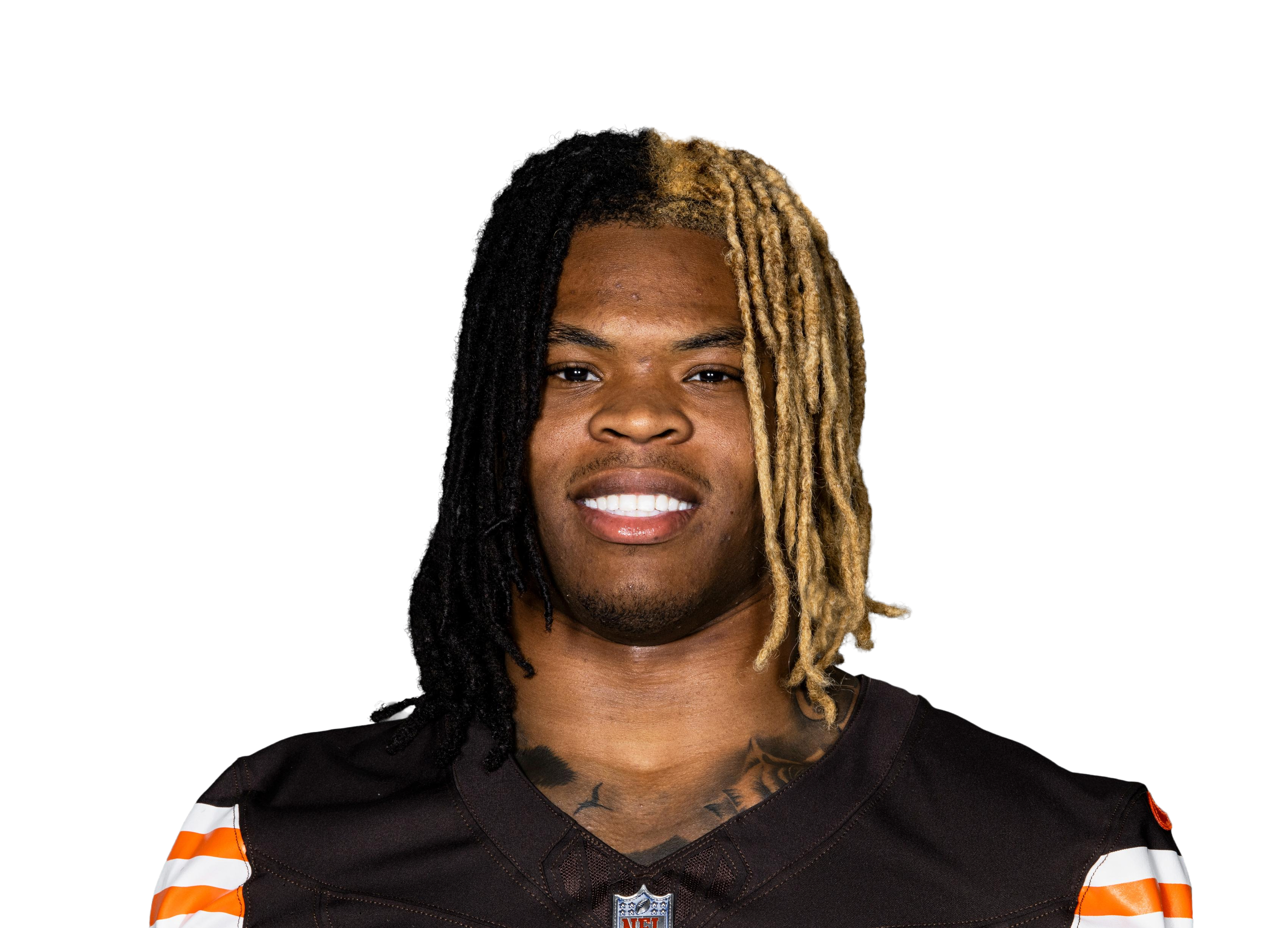
 Start: Quinshon Judkins (RB, CLE) at NO
New Orleans has been the most generous run-defense matchup for fantasy backs, allowing 30.2 PPR points per game to the position. Judkins has averaged 14.0 carries per game over his last three and 12.8 PPR per game in that span, so the workload supports the play. Cleveland’s 19.8 implied total keeps the ceiling from getting wild, but the floor is strong.
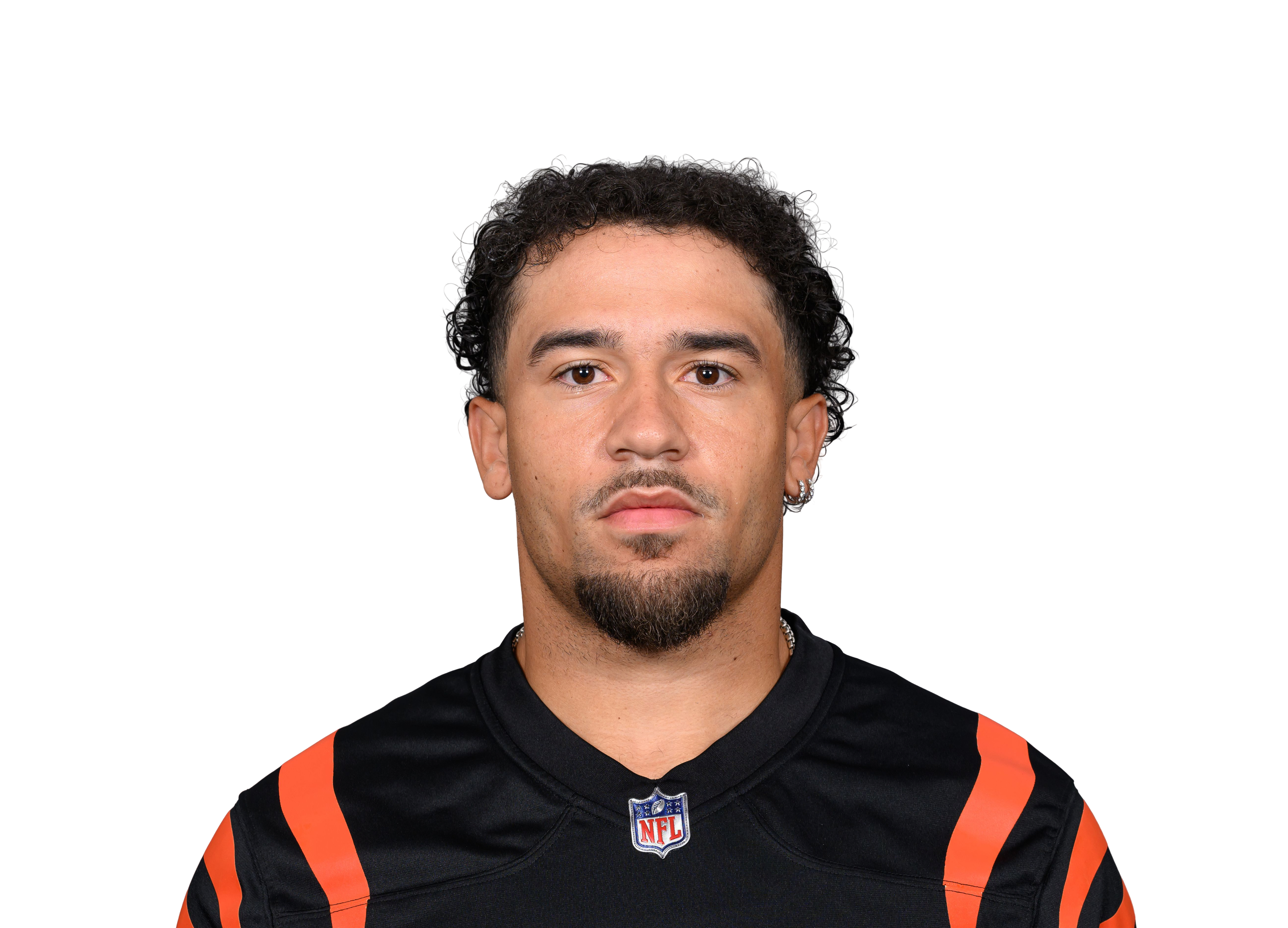
 Start: Chase Brown (RB, CIN) at ATL
Atlanta has allowed 25.8 PPR points per game to running backs, fifth most, and Brown’s recent usage keeps him playable in a road start. He has handled 12.0 carries per game over his last three and added a 17% target share, which gives him two paths to production. Cincinnati’s 27.8 implied total is the best scoring environment of the featured backs.
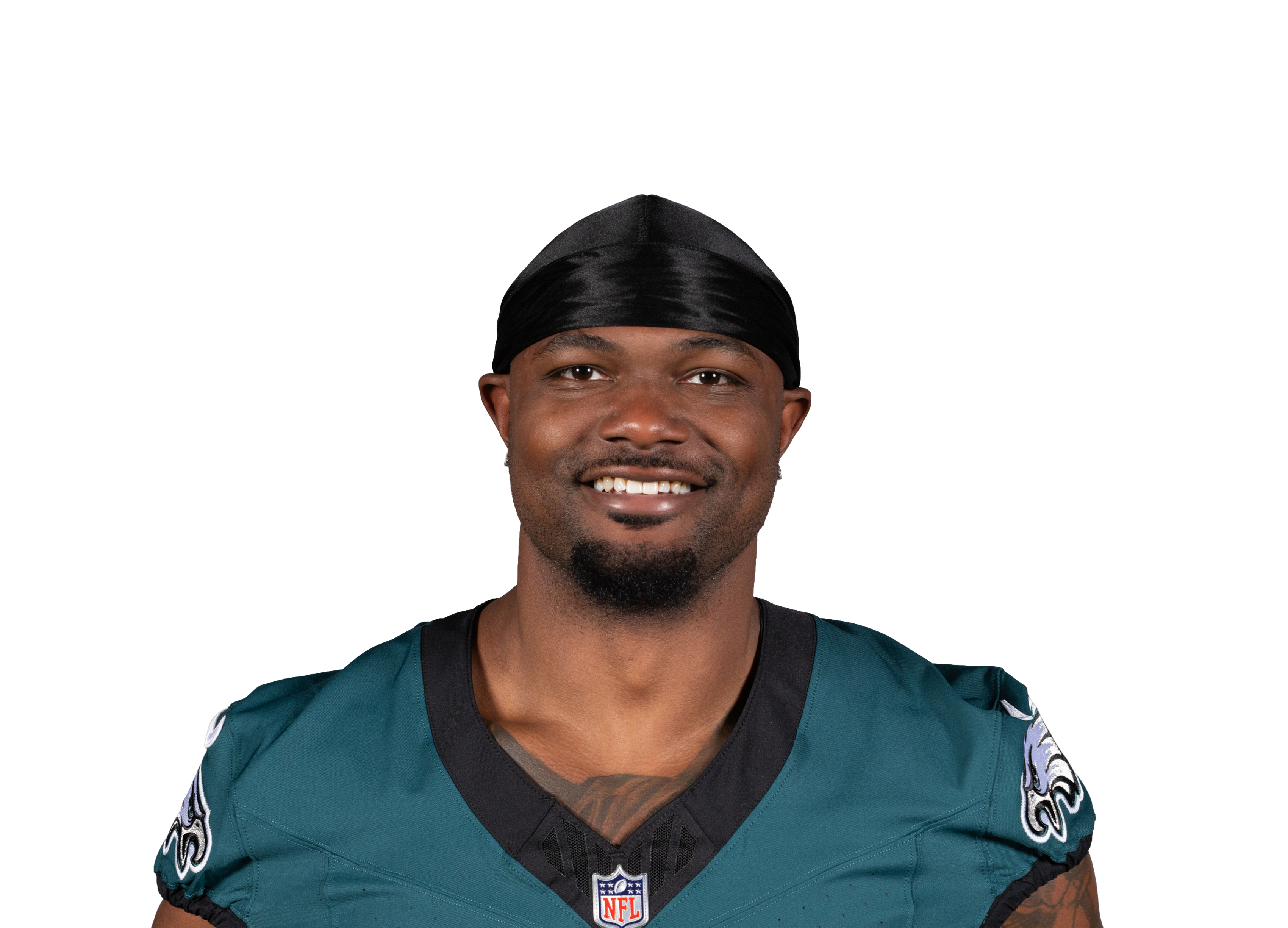
 Sit: Dameon Pierce (RB, PHI) vs NYG
The Giants have allowed only 19.9 PPR points per game to running backs, 12th fewest, which makes Pierce a thin play despite steady carries. He has averaged 12.3 carries per game over his last three, but the 17.5 implied total for Philadelphia keeps the scoring outlook modest. This is not the kind of game script that forces a strong fantasy line.
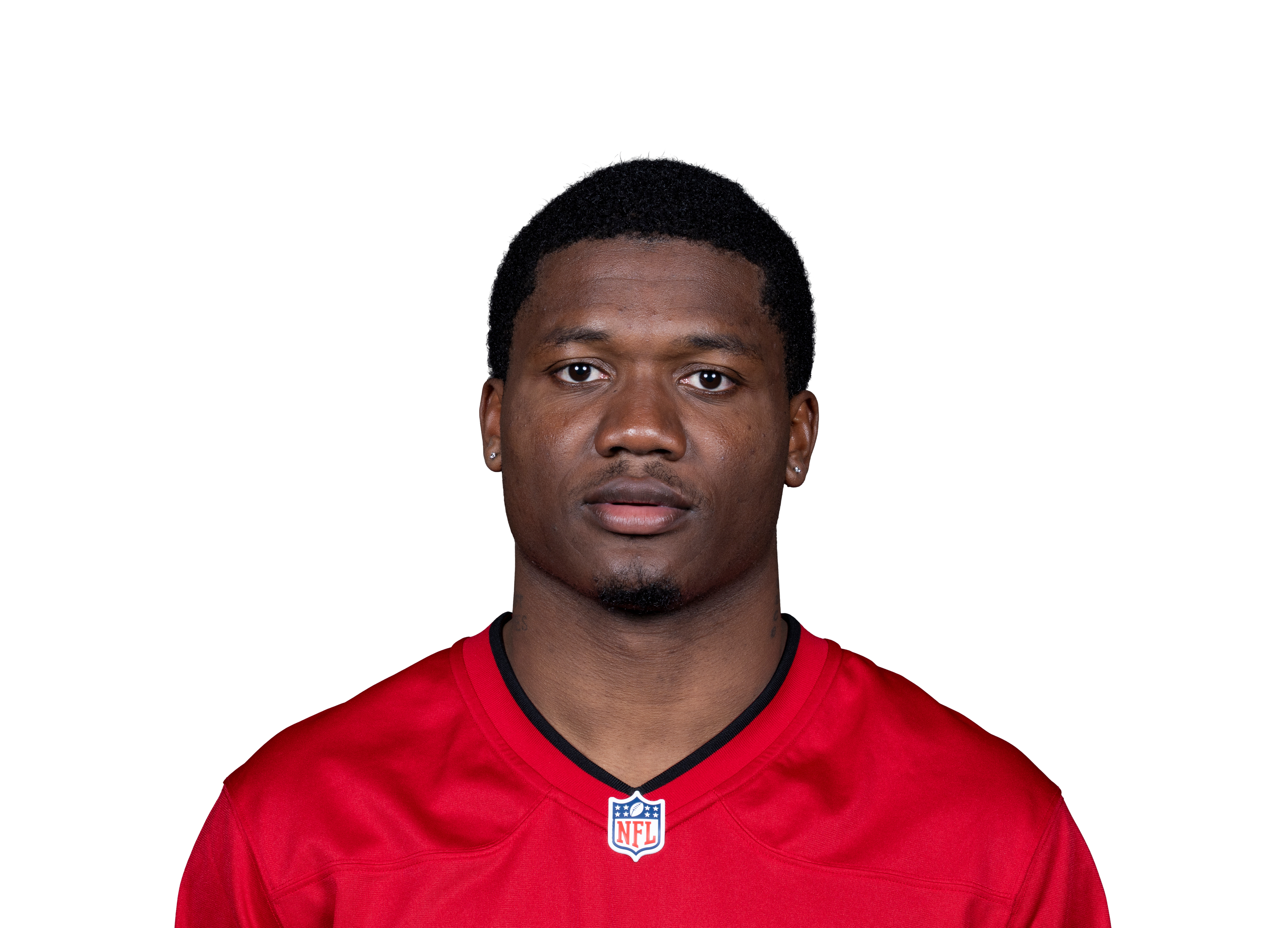
 Sit: Bucky Irving (RB, TB) at CHI
Chicago has allowed just 17.8 PPR points per game to running backs, third fewest, and that makes Irving a tougher start than his recent production suggests. He has averaged 23.3 carries per game over his last three and 17.3 PPR per game, but the matchup can still clamp the efficiency down. Tampa Bay’s 20.8 implied total is workable, not ideal.
Wide Receivers
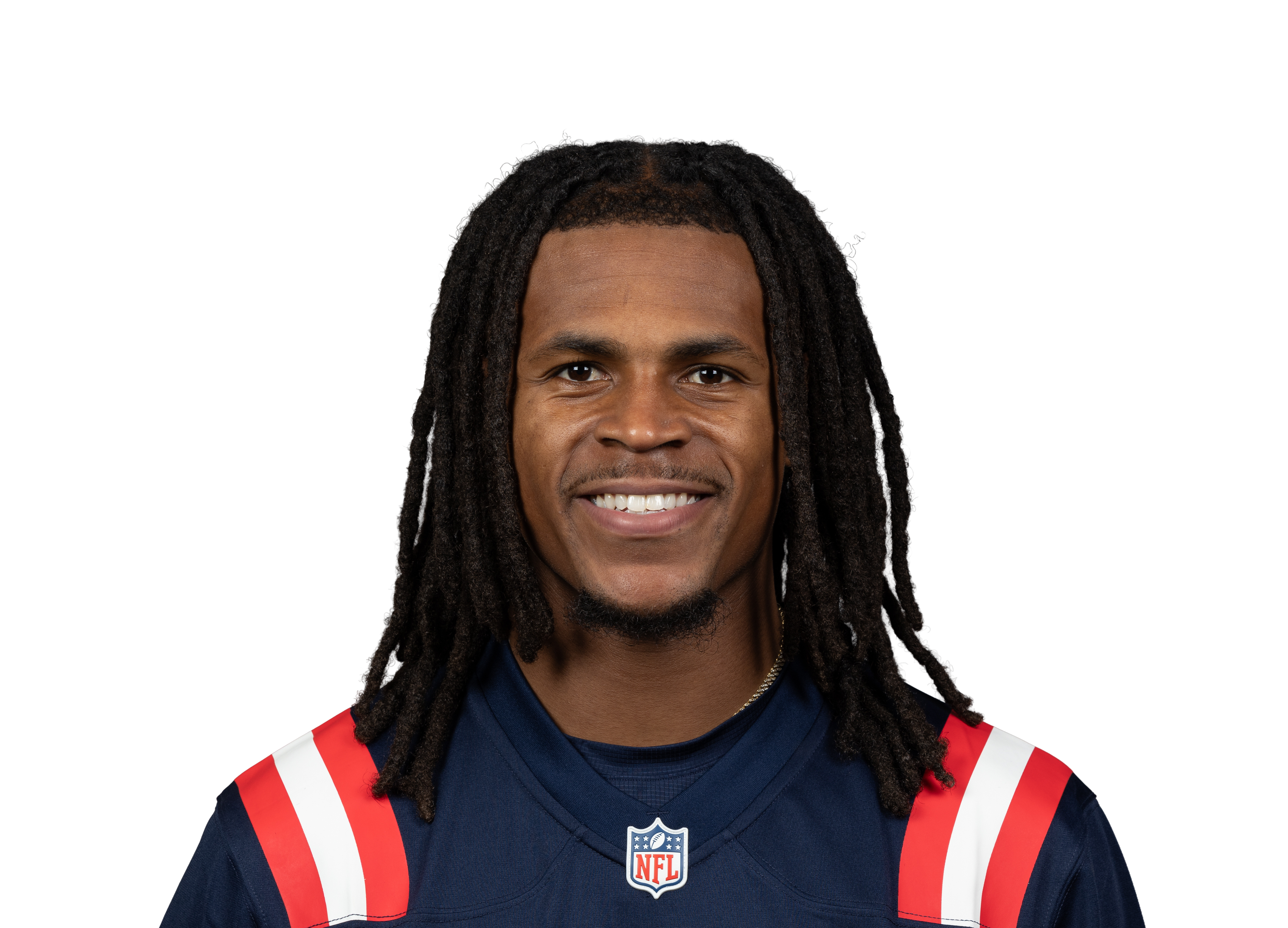
 Start: DeMario Douglas (WR, NE) vs GB
Green Bay has allowed 35.0 PPR points per game to wide receivers, eighth most, and Douglas has been on the right side of that trend lately. His last three games have brought a 19% target share and 13.8 PPR per game, which is enough to trust him as a volume-based start. New England’s 24.5 implied total keeps the scoring path open.
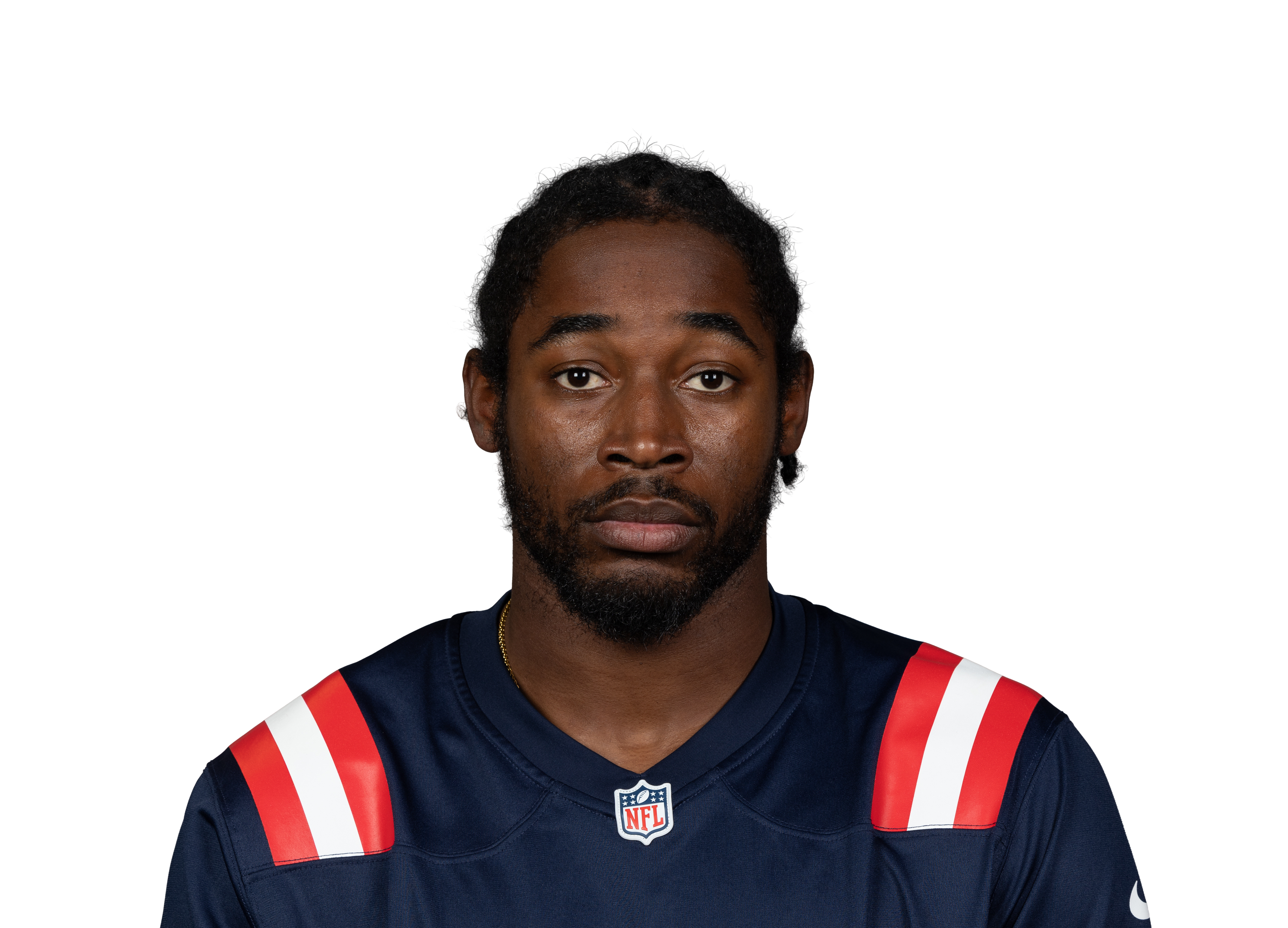 Start: Romeo Doubs (WR, NE) vs GB
Doubs is the steadier of the New England receiver starts because his recent usage is a little cleaner for fantasy. He has a 13% target share over his last three and 12.5 PPR per game in that span, and Green Bay’s 35.0 PPR points allowed per game to receivers helps both Patriots wideouts. The matchup is strong enough to chase the role.
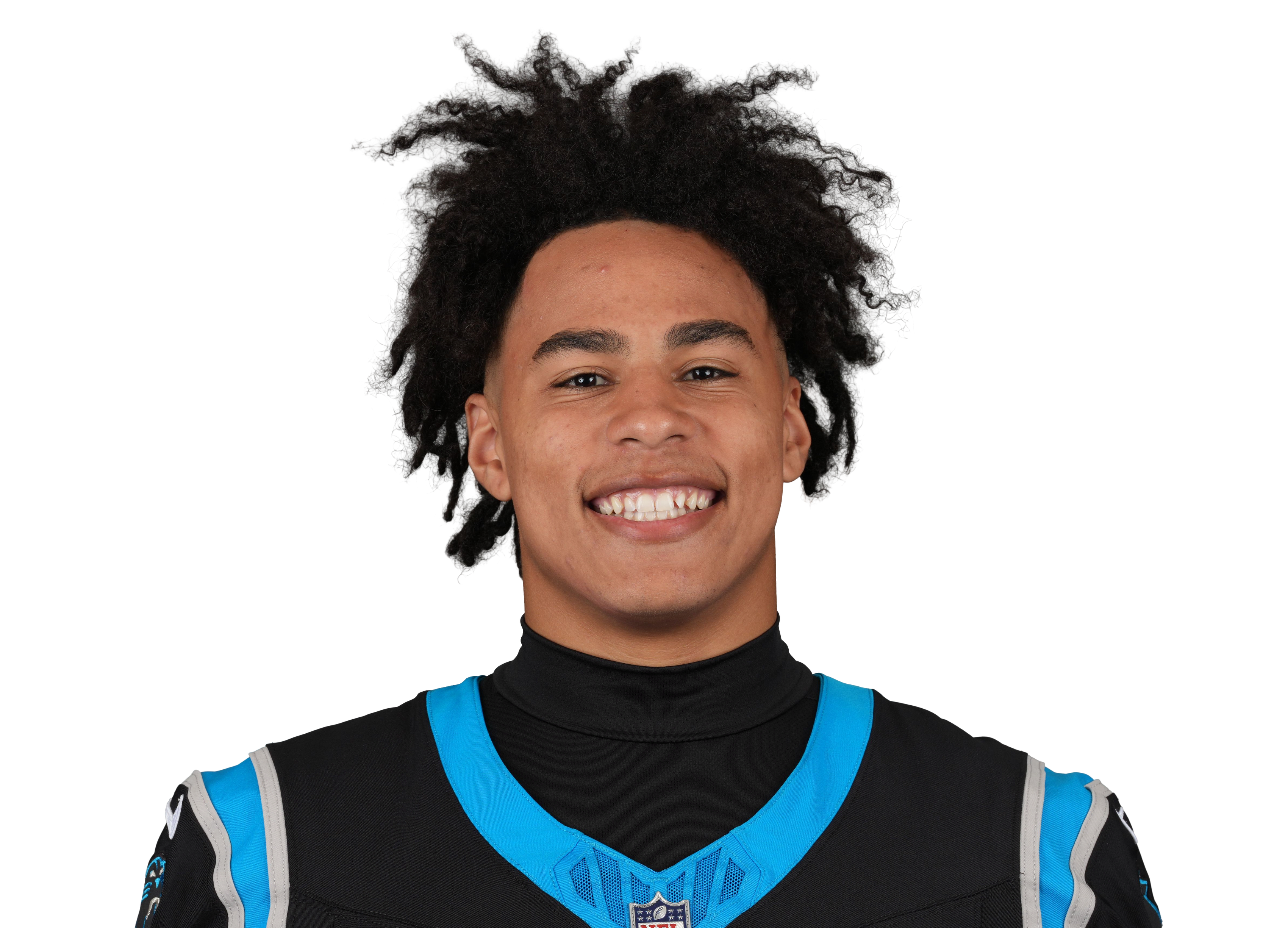
 Sit: Jalen Coker (WR, CAR) vs DEN
Denver has allowed only 27.5 PPR points per game to wide receivers, seventh fewest, which makes Coker a volume play without much matchup help. His last three have included a 22% target share, but only 9.7 PPR per game, and Carolina’s 21.0 implied total is not enough to force optimism. The usage is fine; the environment is not.
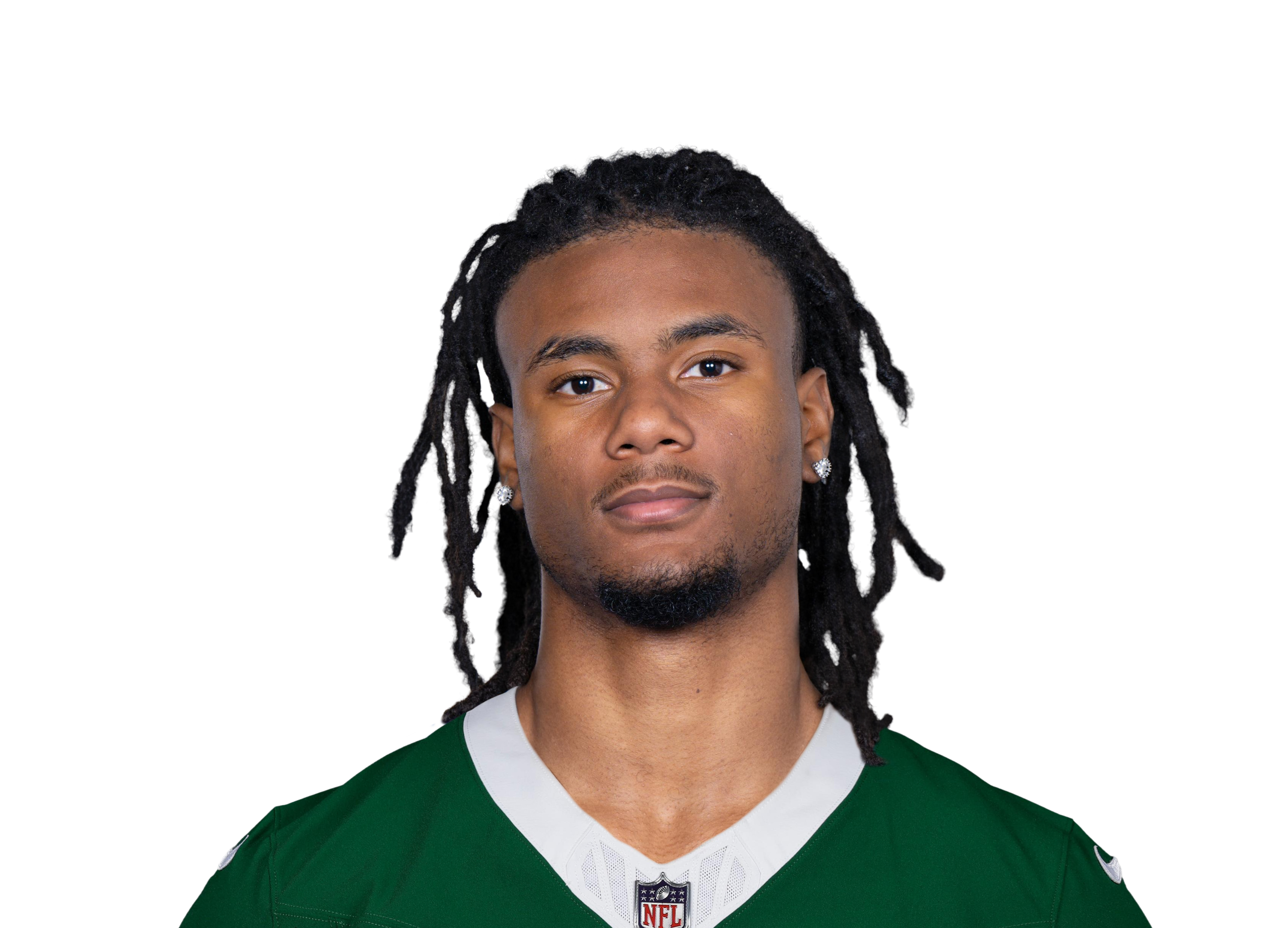
 Sit: Adonai Mitchell (WR, NYJ) at KC
Kansas City has allowed just 25.1 PPR points per game to wide receivers, second fewest, so Mitchell’s recent target share does not move him into the start tier. He has a 24% share over his last three, but that has translated to just 13.2 PPR per game, and the Jets’ 18.8 implied total is low. The target rate is useful, but the matchup is stronger than the role.
Tight Ends
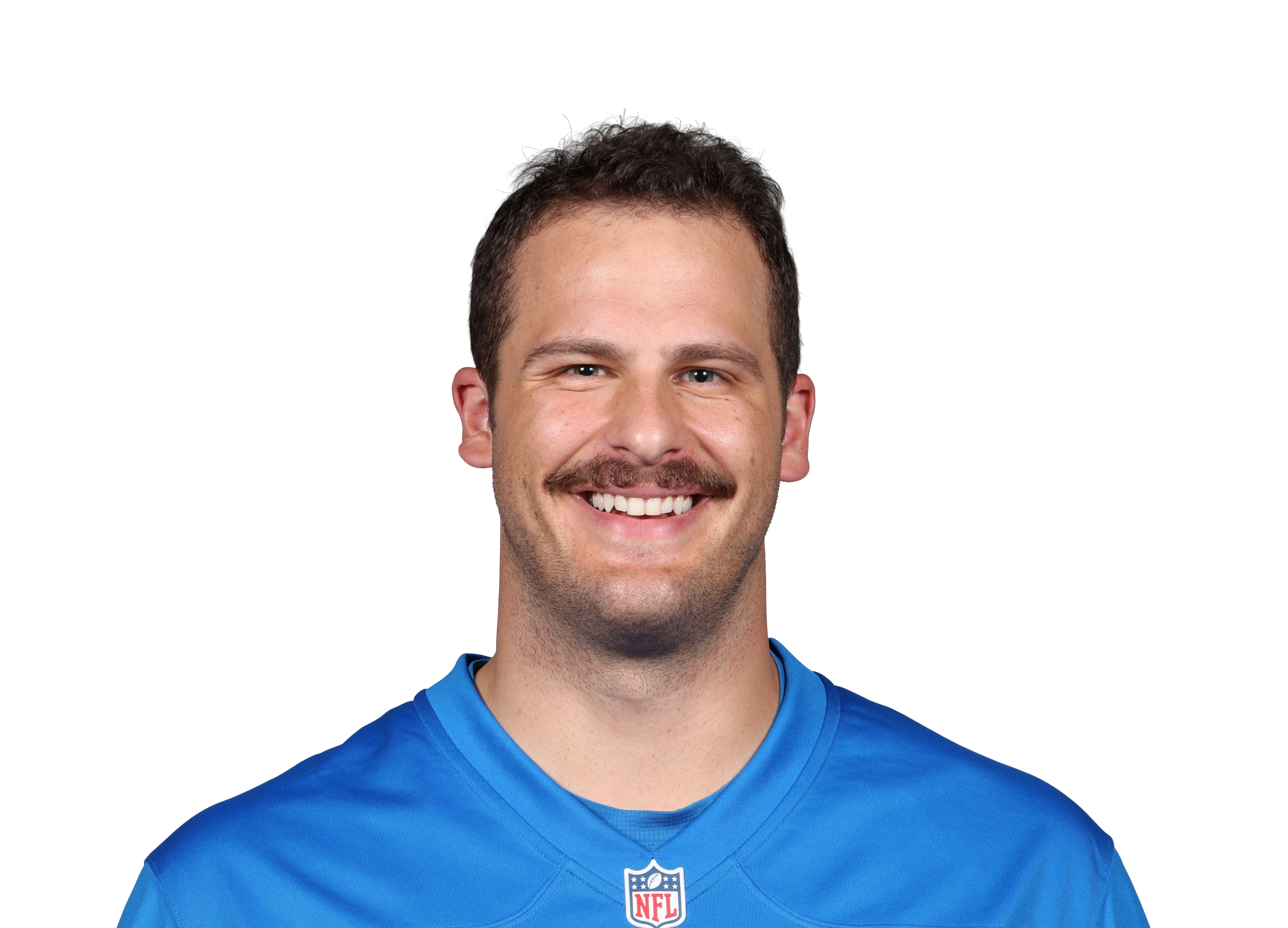
 Start: Sam LaPorta (TE, DET) at MIA
Miami has allowed 19.2 PPR points per game to tight ends, third most, and LaPorta gets a rare plus matchup at the position. His last three games have settled at 9.7 PPR per game with a 15% target share, which is enough when paired with Detroit’s 28.8 implied total. The offense can support a rebound even if the recent line has been quiet.
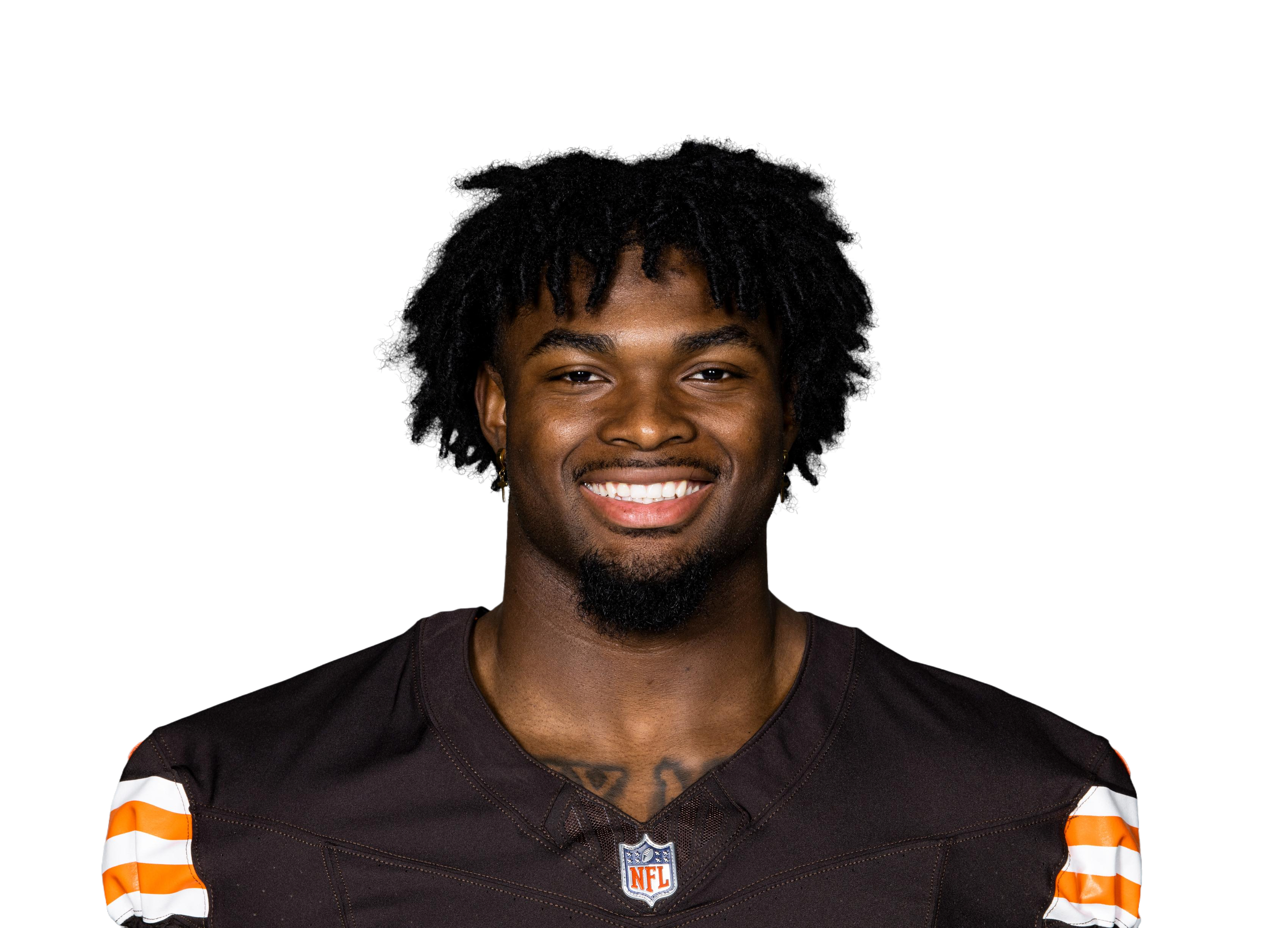 Start: Harold Fannin Jr. (TE, CLE) at NO
New Orleans has allowed 17.0 PPR points per game to tight ends, sixth most, so Fannin has a usable ceiling in a modest offense. His last three have produced 12.8 PPR per game with a 23% target share, which is exactly the sort of usage you want to start chasing. Cleveland’s 19.8 implied total is not a fireworks sign, but it is enough.
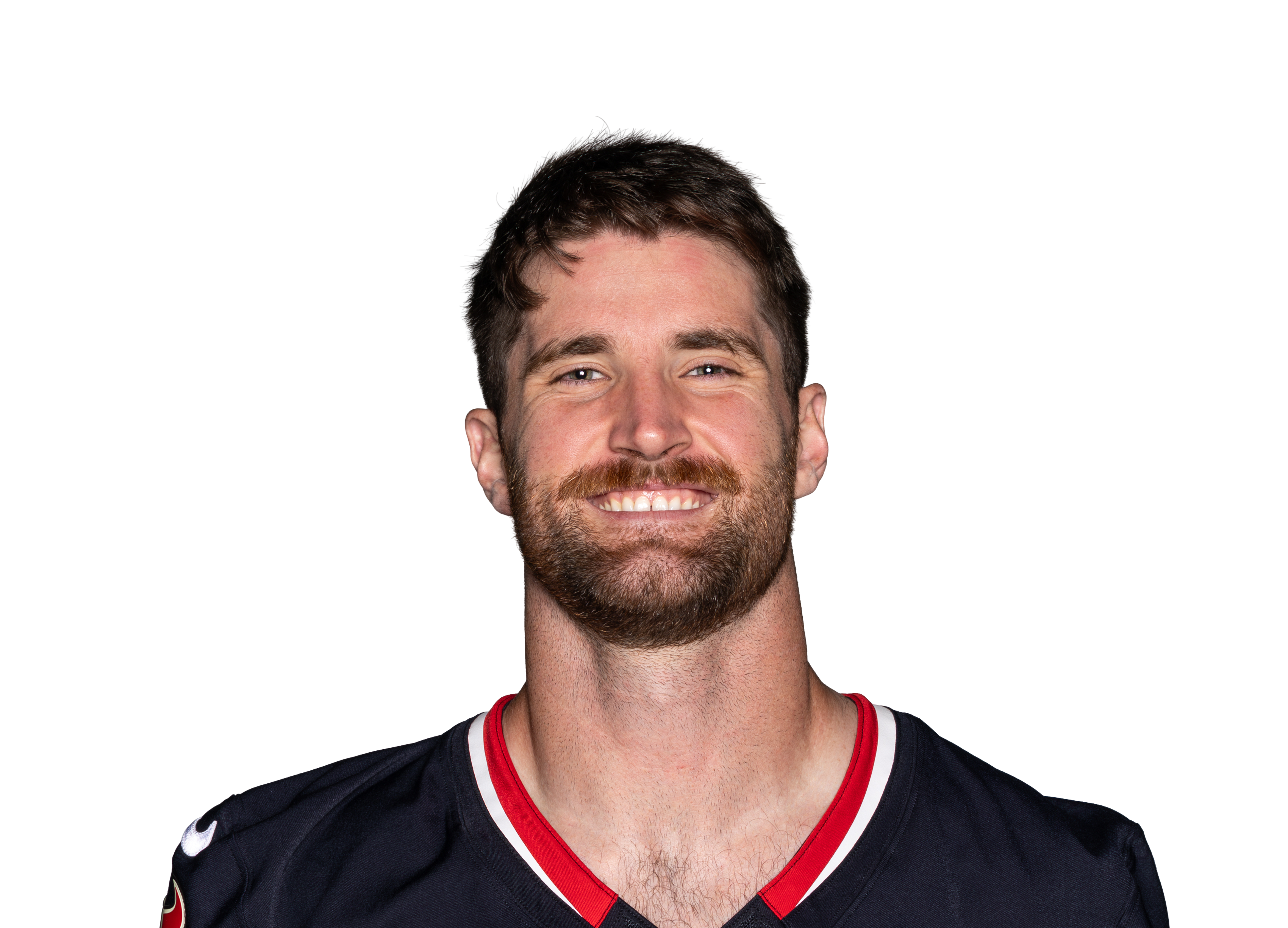
 Sit: Dalton Schultz (TE, HOU) at LAC
The Chargers have held tight ends to 10.2 PPR points per game, sixth fewest, and Schultz has not been efficient enough to ignore that. He is at 7.6 PPR per game over his last three with a 17% target share, which is usable only in friendlier matchups than this one. Houston’s 22.5 implied total does not fully rescue the spot.
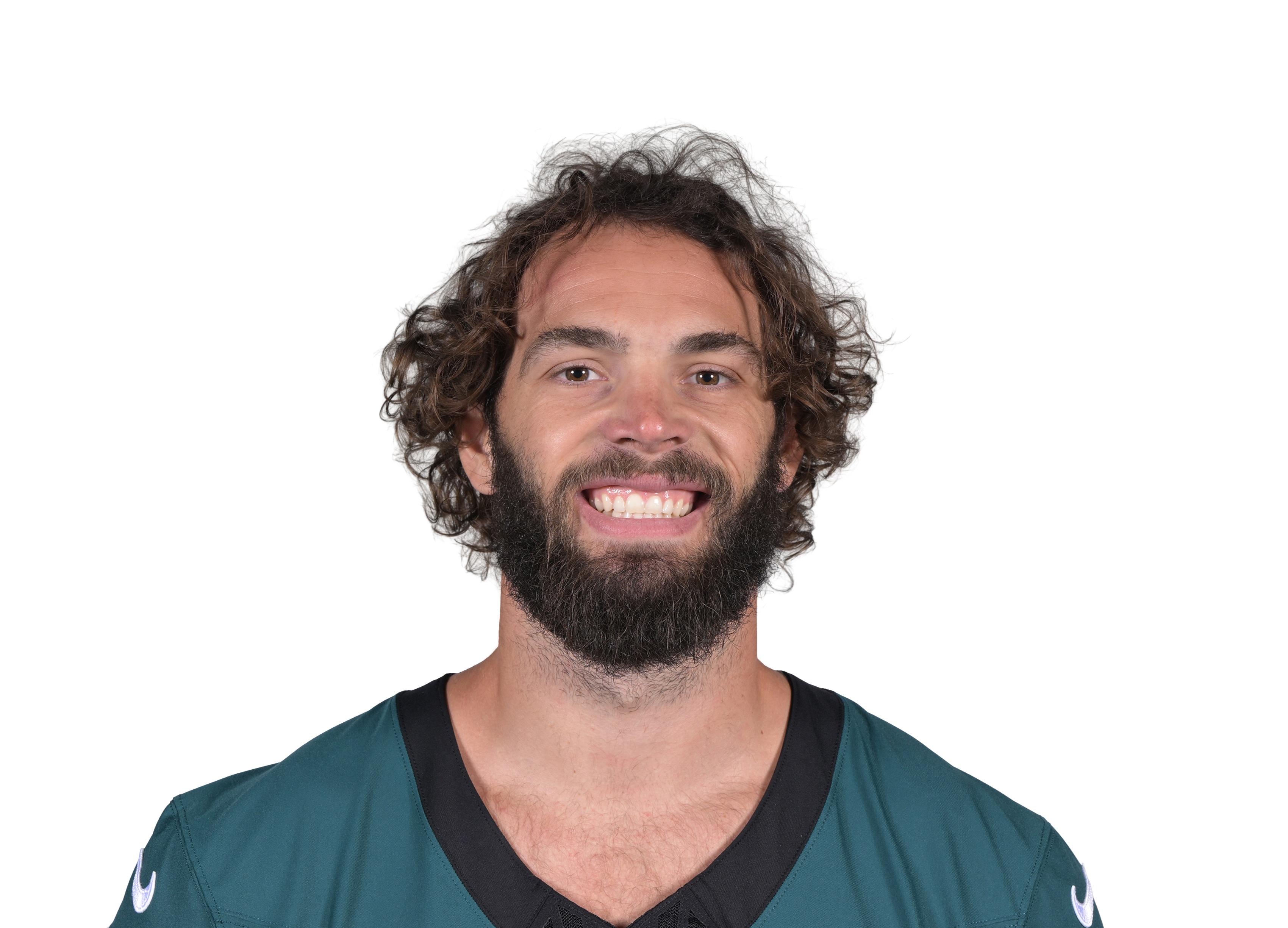 Sit: Dallas Goedert (TE, PHI) vs NYG
The Giants have allowed 12.3 PPR points per game to tight ends, 12th fewest, and Goedert’s recent usage does not create enough separation from that number. He has posted 9.7 PPR per game over his last three with a 17% target share, while Philadelphia’s 17.5 implied total caps the upside. This is a low-ceiling tight end play.
Newsletter
Liked this profile?
Get the next analyses and board movement, once a week.
No spam. Unsubscribe anytime.