
Week 11 Start 'Em, Sit 'Em: Mahomes, Pollard and the Tight End Edge
Four featured plays lead a slate built on matchup leverage, with a few tough benches where volume is not enough to rescue the spot.
Week 11 leans on matchup-driven calls more than reputation. The best starts have either a clear defensive edge or a recent usage bump; the sits are spots where the opponent has already shut down the position and the team environment is thin.
The Headliners
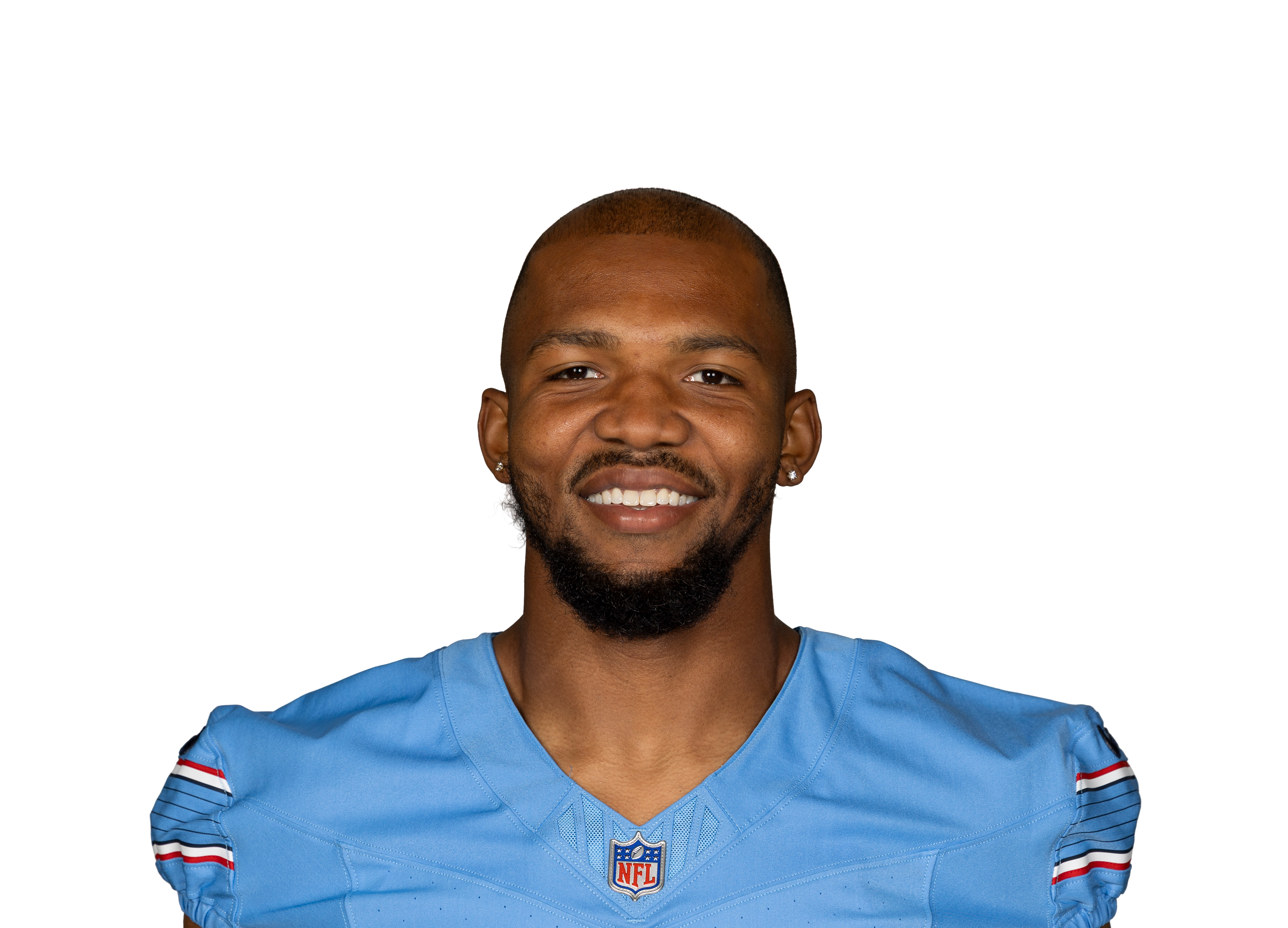
 Start: Tony Pollard (RB, TEN) at DAL
Dallas is the best possible matchup for a running back start here, allowing 29.3 PPR points per game to the position, most in the NFL. Pollard has also been the kind of runner you want to lean into, with 18.3 carries per game over his last three and 29.7 PPR per game in that span. Tennessee’s 23.0 implied total is not a runaway number, but it is enough to support a lead-back workload in a plus spot.
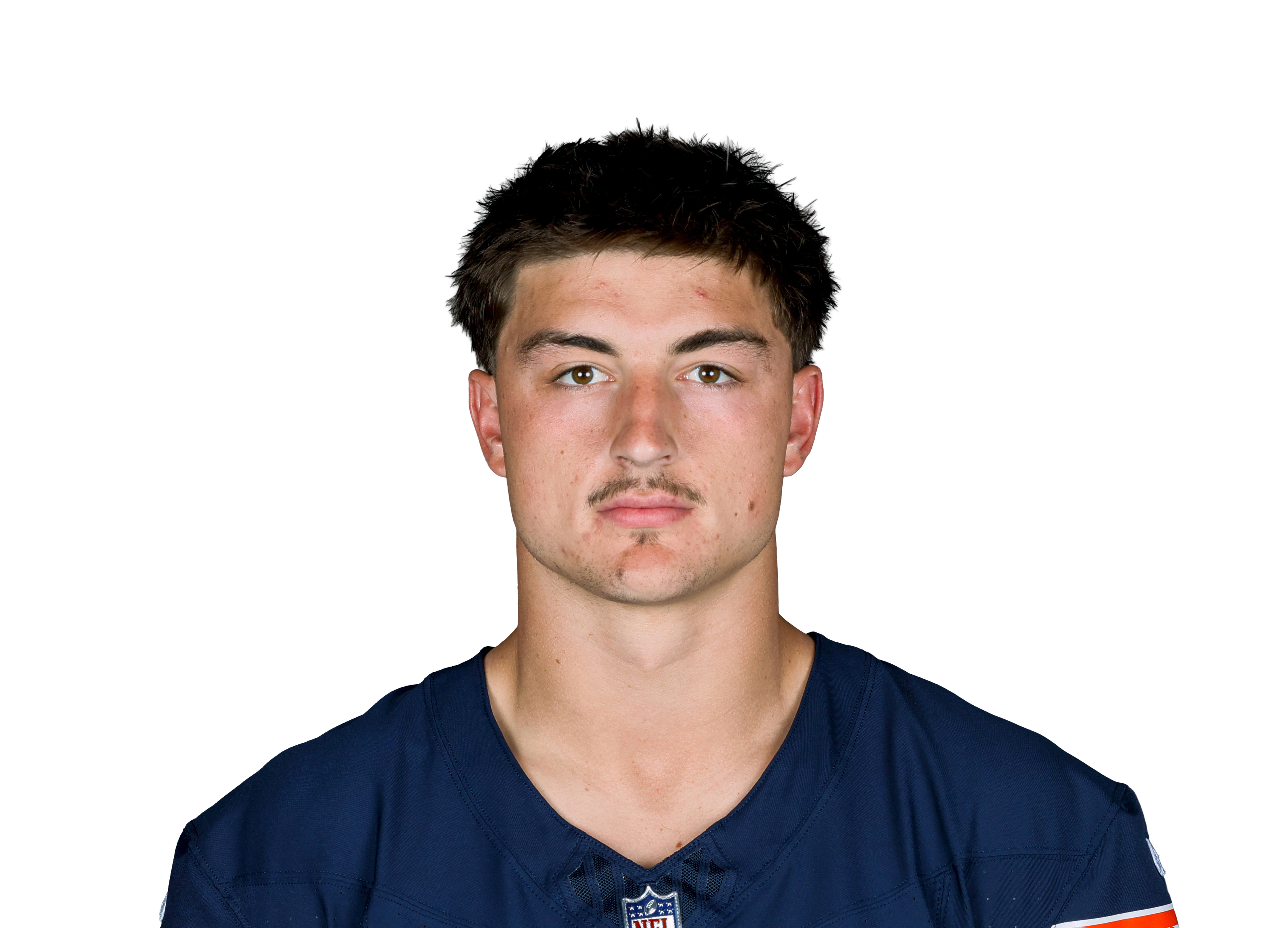
 Start: Colston Loveland (TE, CHI) vs NO
New Orleans has given up 16.0 PPR points per game to tight ends, seventh most, and Loveland’s role has moved in the right direction. He has a 28% target share over his last three games, and that is the kind of volume that matters when the team total sits at 30.0. His season scoring is already usable, but the recent trend gives this a stronger ceiling than a typical tight end start.

 Sit: Tre Tucker (WR, LV) at DEN
Denver has been one of the tougher wide receiver matchups, allowing just 27.6 PPR points per game to the position, sixth fewest. Tucker’s last three games have also been quiet at 3.8 PPR per game, and a 12% target share is not enough to ignore the environment. Las Vegas carries only a 15.3 implied total, which makes this a low-upside bet on a fragile weekly role.

 Sit: Tyler Warren (TE, IND) at HOU
Houston has erased tight ends better than almost anyone, giving up just 10.7 PPR points per game to the position, fifth fewest. Warren’s 23% target share over his last three is respectable, but it has not turned into the kind of weekly production that can overcome a 15.5 implied total. This is a usage case that looks better than the matchup, and the matchup should win out.
Quarterbacks
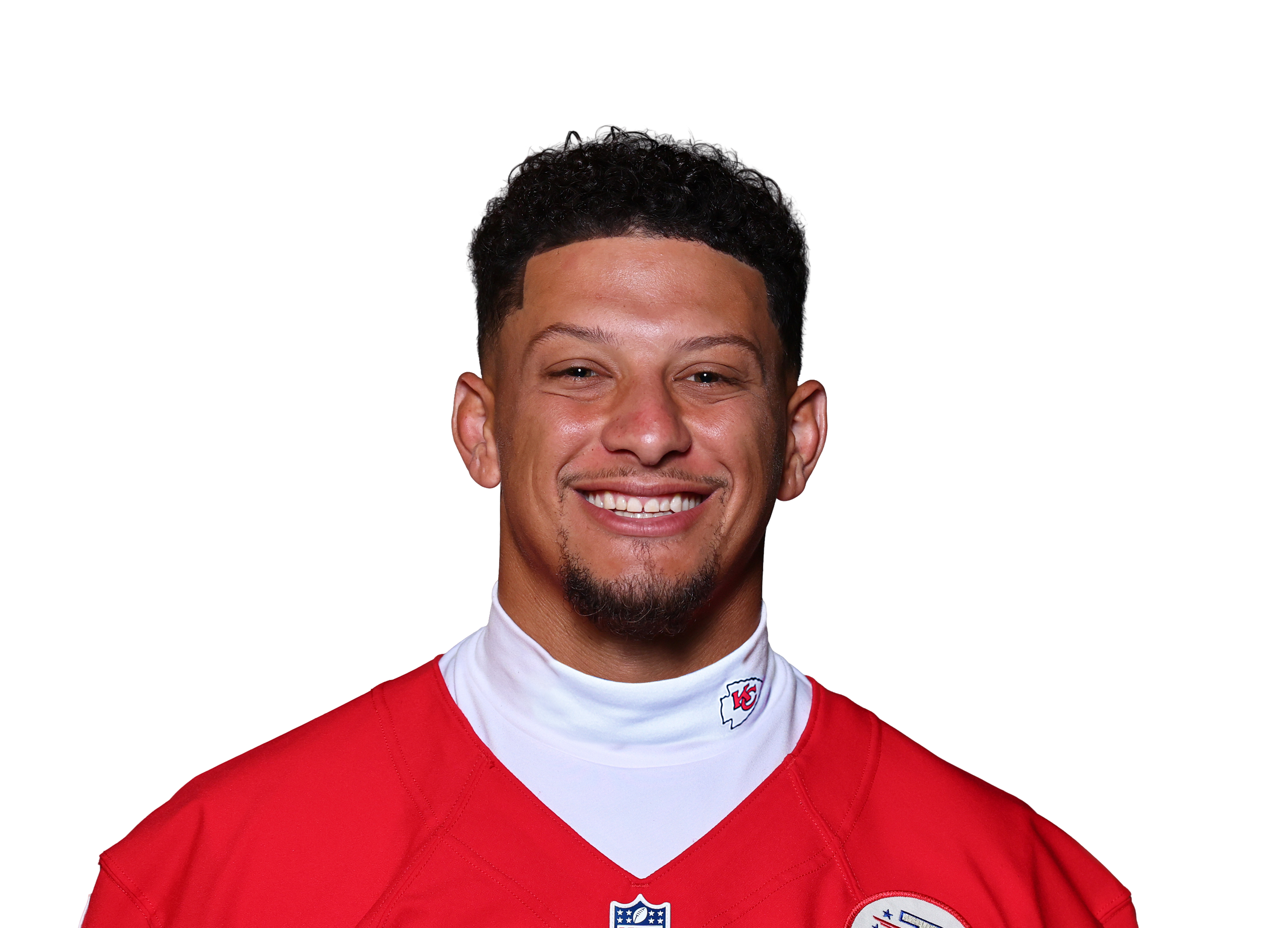
 Start: Patrick Mahomes (QB, KC) vs ARI
Arizona has allowed 20.8 PPR points per game to quarterbacks, second most, and that keeps Mahomes in a premium spot even without needing a spike week script. He has averaged 25.8 PPR points per game over his last three, and Kansas City’s 28.0 implied total supports another efficient fantasy line. This is the kind of start that rests on both opponent softness and a stable ceiling.

 Start: Bo Nix (QB, DEN) vs LV
Las Vegas has allowed 19.9 PPR points per game to quarterbacks, fourth most, and that opens the door for another useful outing. Nix has put up 20.4 PPR points per game over his last three, with a little extra value from his rushing contribution. Denver’s 25.3 implied total is solid enough to keep him in the clear starting tier.
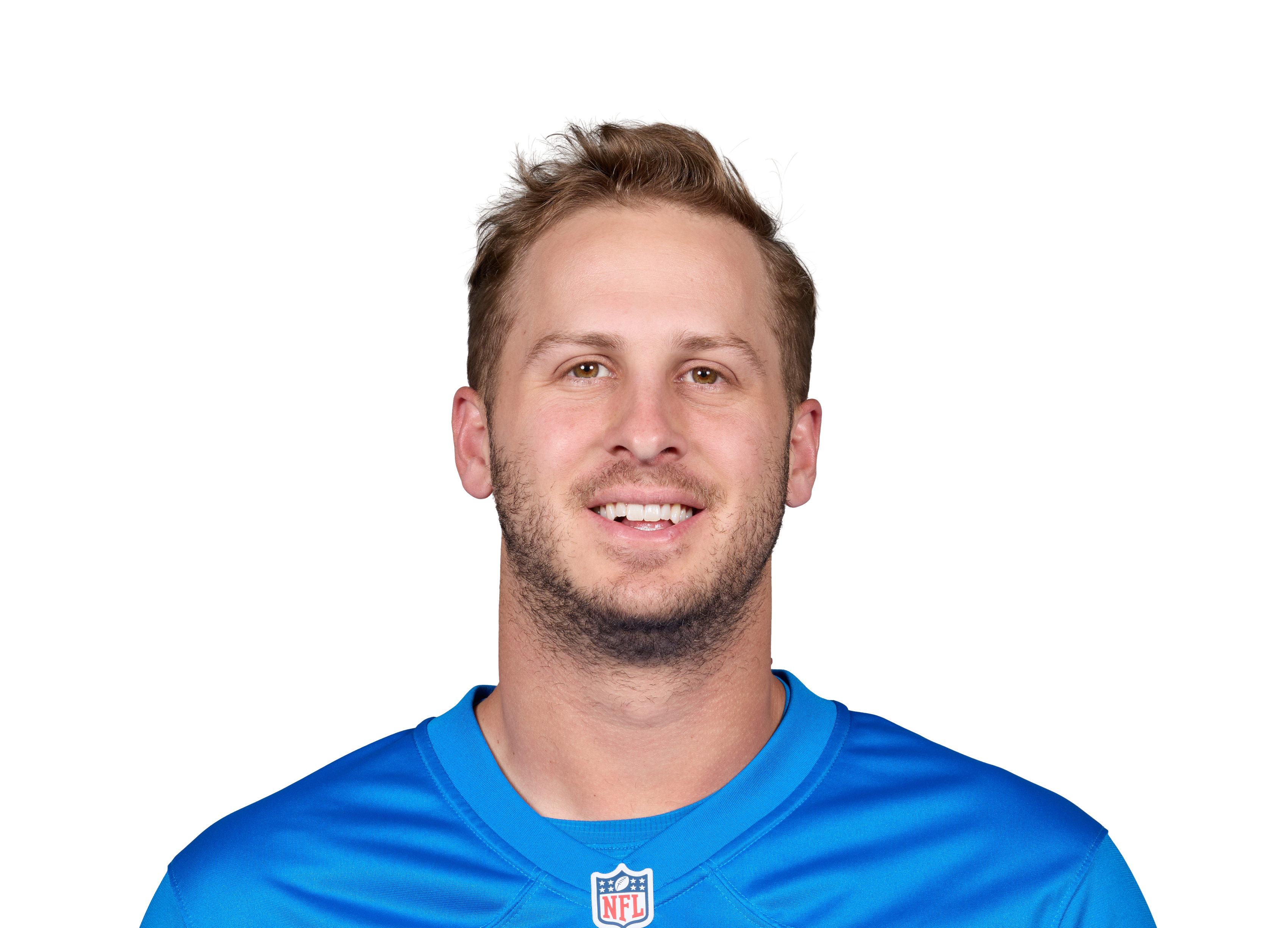
 Sit: Jared Goff (QB, DET) vs TB
Tampa Bay has been one of the tougher quarterback matchups, allowing just 11.7 PPR points per game to the position, third fewest. Goff’s last three games have dipped to 11.6 PPR points per game, so the recent form and the matchup point the same way. Detroit’s 25.3 implied total helps a little, but not enough to make this an easy play.
Running Backs
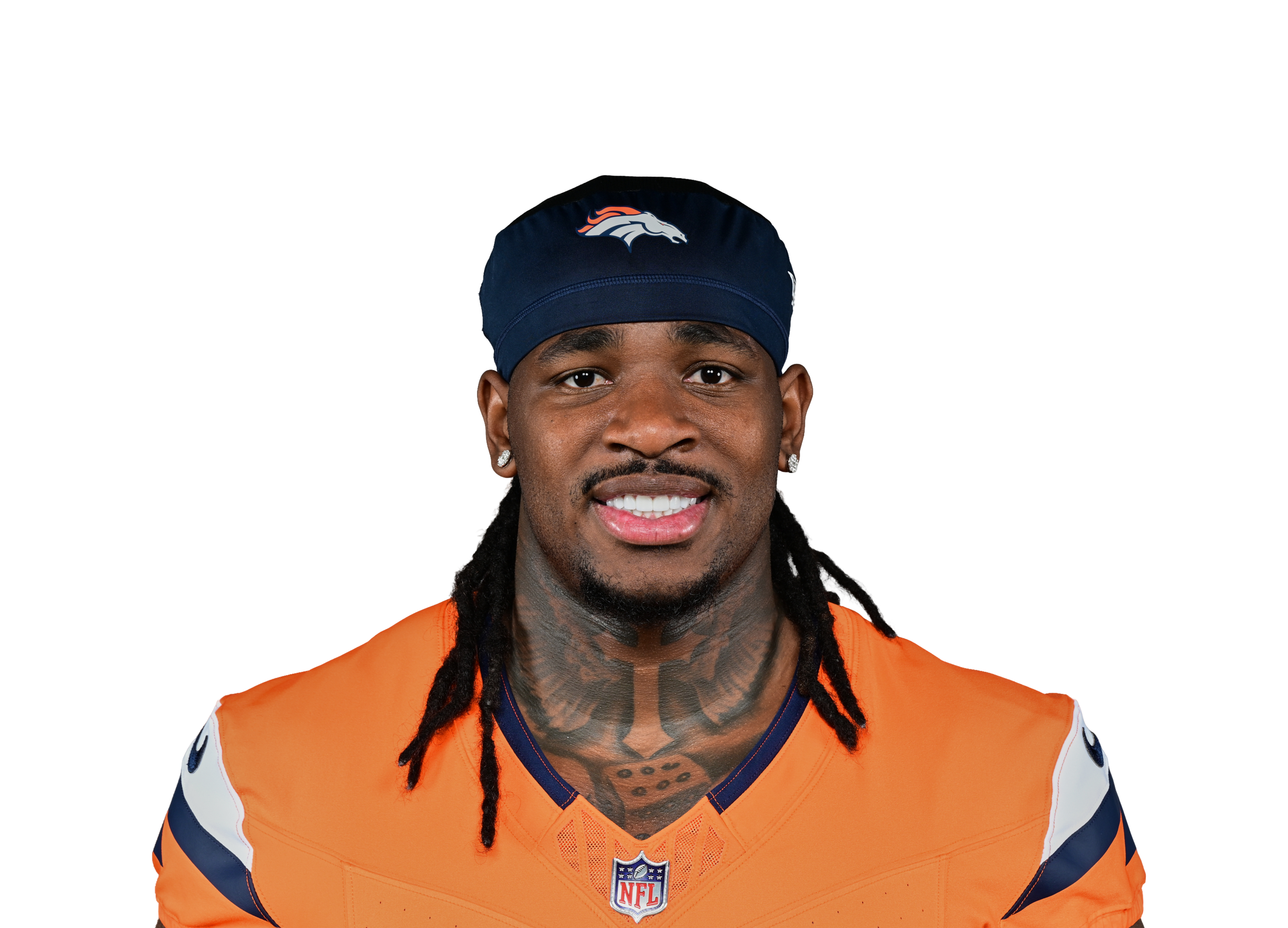 Start: Jonah Coleman (RB, DEN) vs LV
Las Vegas has allowed 25.4 PPR points per game to running backs, fifth most, which gives Coleman a strong matchup base. He has averaged 12.3 carries per game over his last three and 16.0 PPR points per game in that span, so the recent usage is stable enough to trust. Denver’s 25.3 implied total keeps him in range for another productive week.
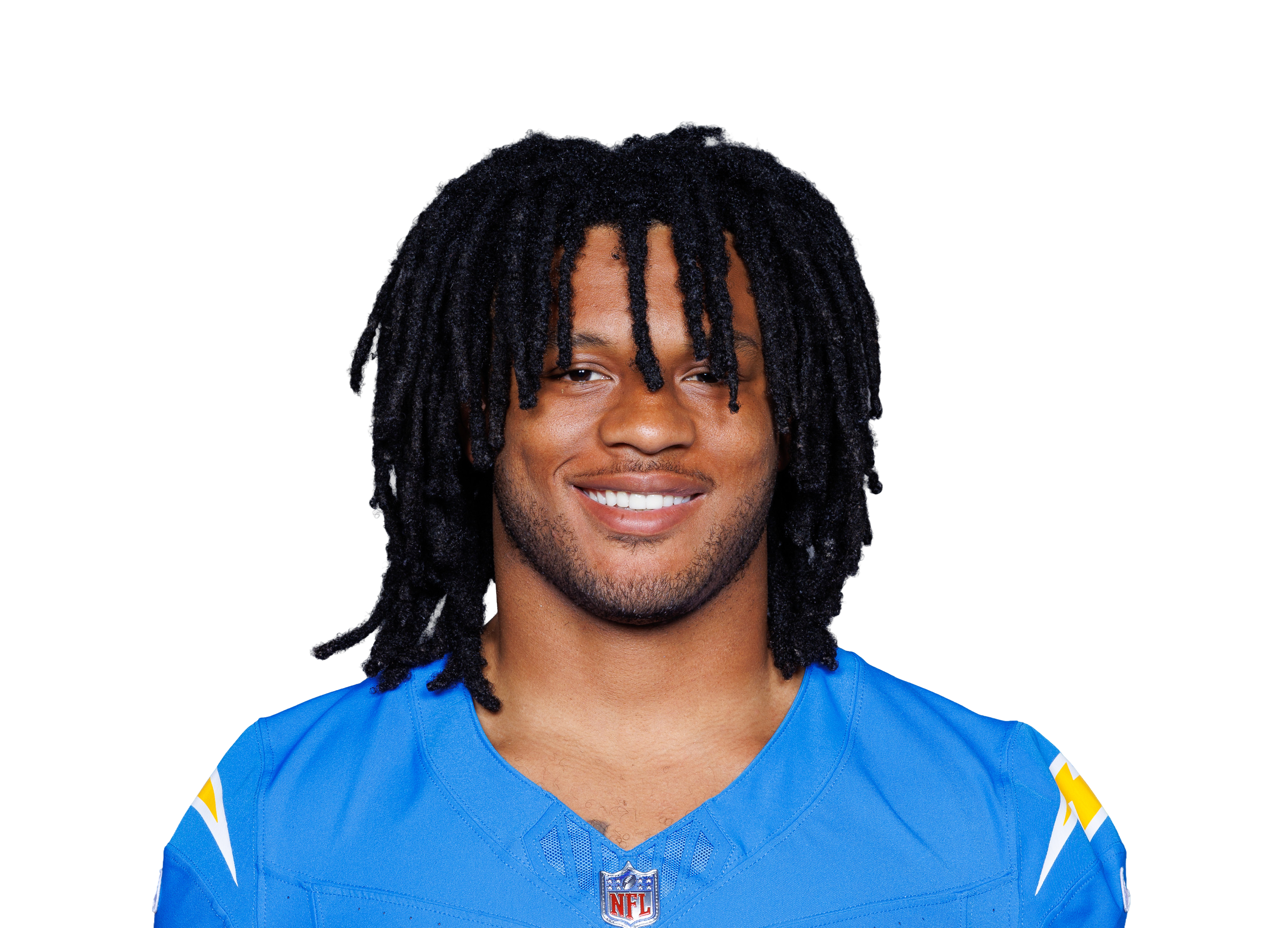
 Start: Omarion Hampton (RB, LAC) vs NYJ
The Jets allow 24.6 PPR points per game to running backs, eighth most, so this is a workable spot even if the Chargers’ team total is only 22.3. Hampton’s 14.7 carries per game over his last three gives him a steady floor, and the 9.4 PPR points per game in that span are at least supported by volume. He is not a smash play, but he is a sensible start.

 Sit: Travis Etienne (RB, NO) at CHI
Chicago has limited running backs to 20.2 PPR points per game, 12th fewest, and that trims the upside here. Etienne’s last three games have produced just 7.5 PPR points per game on 9.7 carries per game, which is not enough cushion to beat a middling environment. New Orleans’ 18.5 implied total makes the margin for error even thinner.
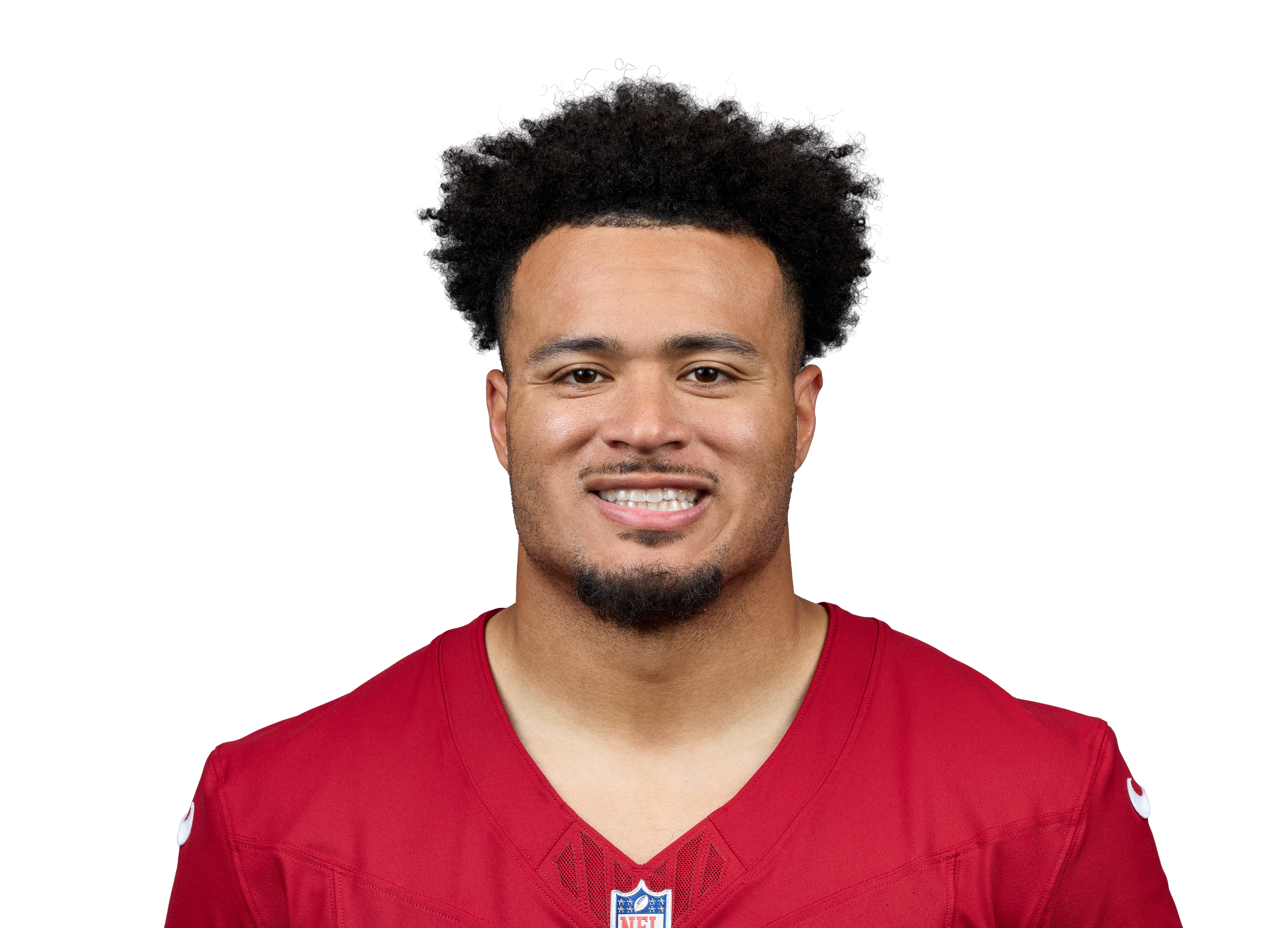
 Sit: Tyler Allgeier (RB, ARI) at KC
Kansas City has allowed just 19.5 PPR points per game to running backs, seventh fewest, and that is a poor setup for a touchdown-dependent play. Allgeier has had 11.0 carries per game over his last three and 14.7 PPR points per game in that span, but the Cardinals’ 12.5 implied total is the real problem. The workload is usable; the scoring context is not.
Wide Receivers
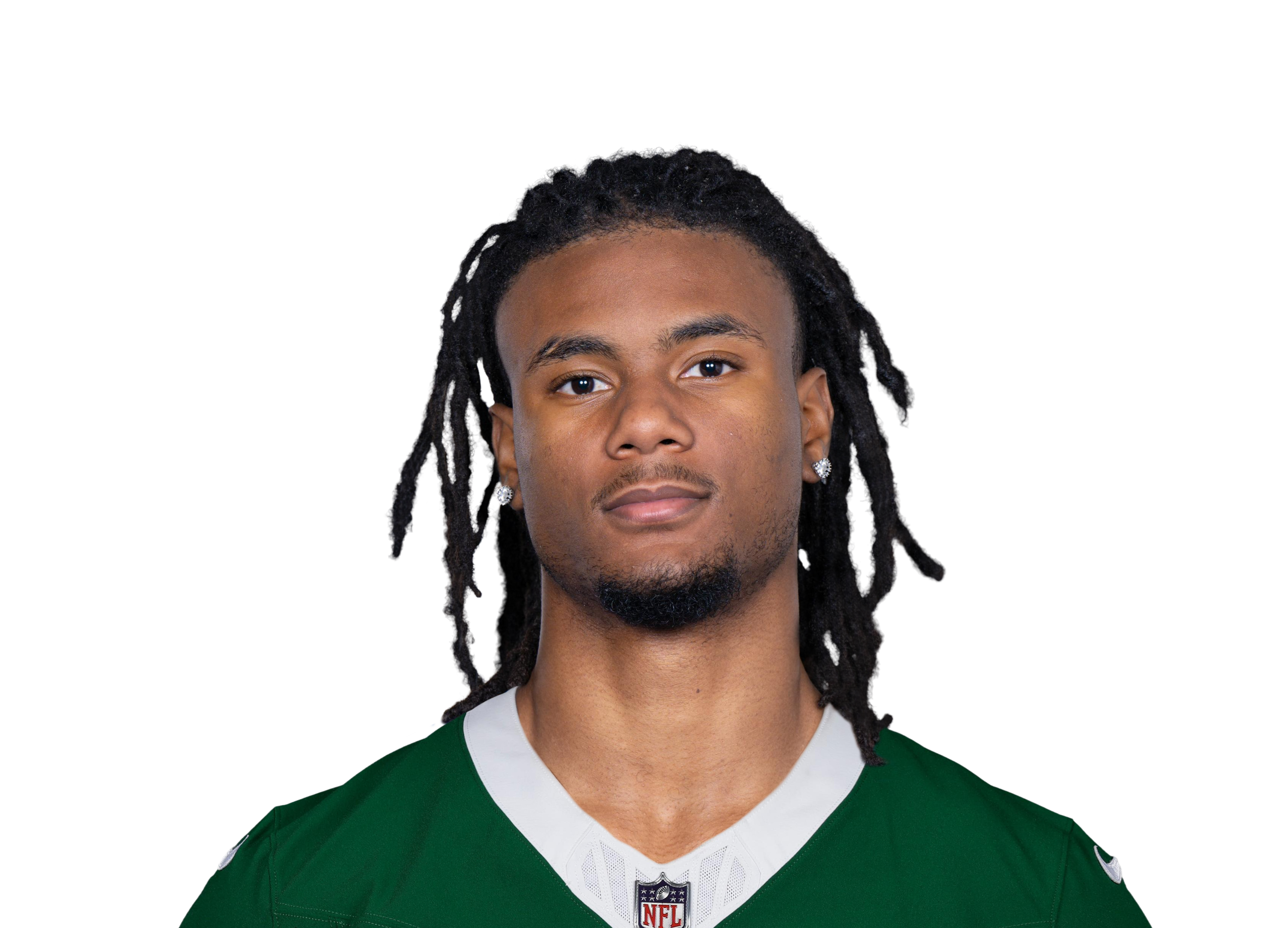
 Start: Adonai Mitchell (WR, NYJ) at LAC
The Chargers have been generous to wide receivers, allowing 35.8 PPR points per game to the position, sixth most. Mitchell has also earned a 24% target share over his last three games, which is enough involvement to matter in a middling 19.3 implied total. The matchup gives him room to beat a modest season line.
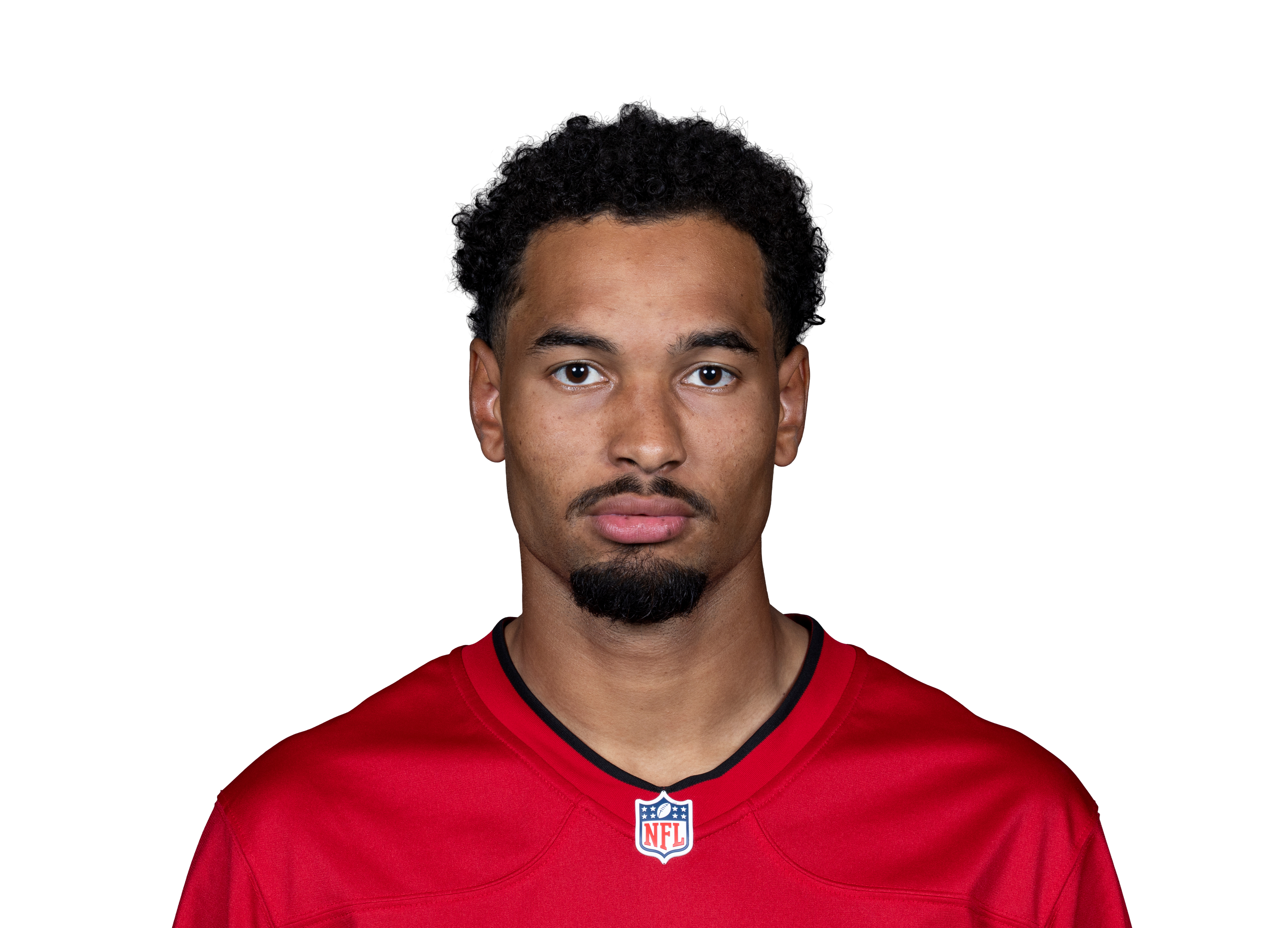
 Start: Emeka Egbuka (WR, TB) at DET
Detroit has allowed 33.1 PPR points per game to wide receivers, 12th most, and that keeps Egbuka in a favorable lane. His 31% target share over his last three games stands out, especially with Tampa Bay carrying only an 18.3 implied total. When the offense is not projected to run hot, concentrated targets become more valuable.
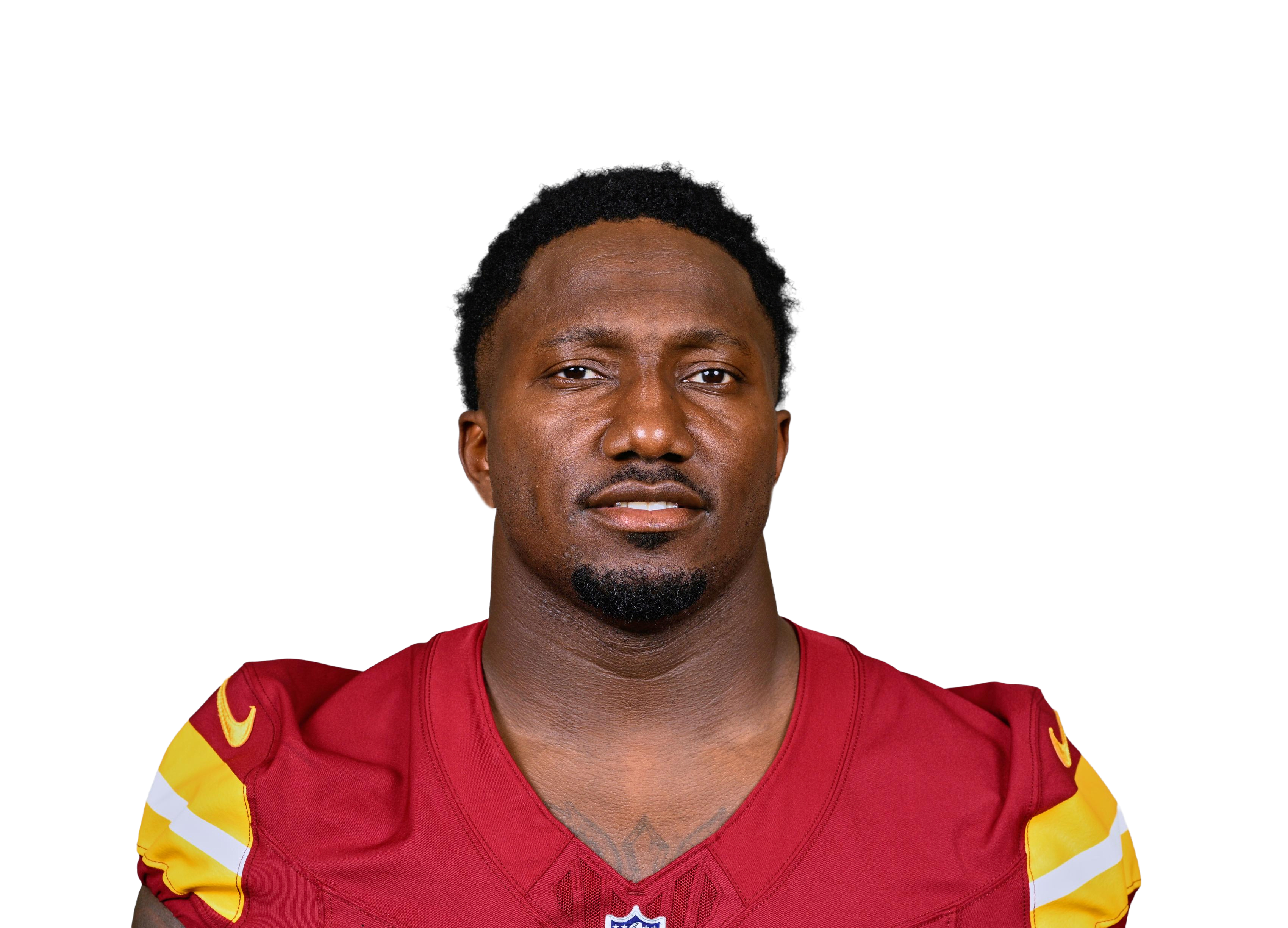
 Sit: Deebo Samuel Sr. (WR, SF) vs MIN
Minnesota has allowed just 26.4 PPR points per game to wide receivers, fifth fewest, and that is enough to temper expectations even for a player with a strong season line. Deebo’s last three games have included a 14% target share, but his recent production has not separated enough from the matchup. San Francisco’s 24.8 implied total is fine, yet not strong enough to force the issue.
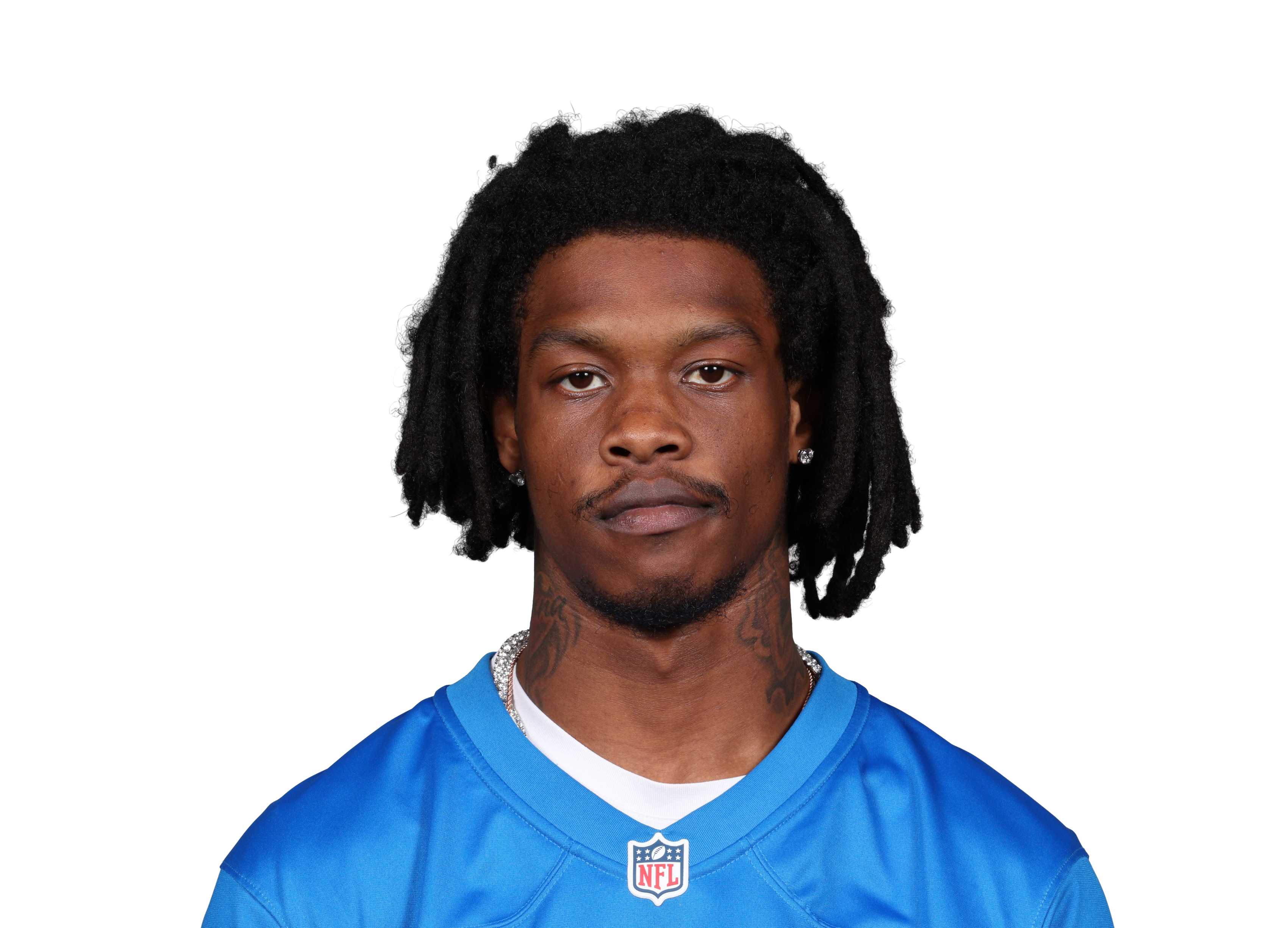 Sit: Jameson Williams (WR, DET) vs TB
Tampa Bay has allowed just 30.5 PPR points per game to wide receivers, 12th fewest, which is not a friendly setup for a volatile receiver. Williams has averaged 10.3 PPR points per game over his last three, and his 18% target share does not fully offset the matchup. Detroit can still score, but this is not the spot to chase ceiling without better volume.
Tight Ends
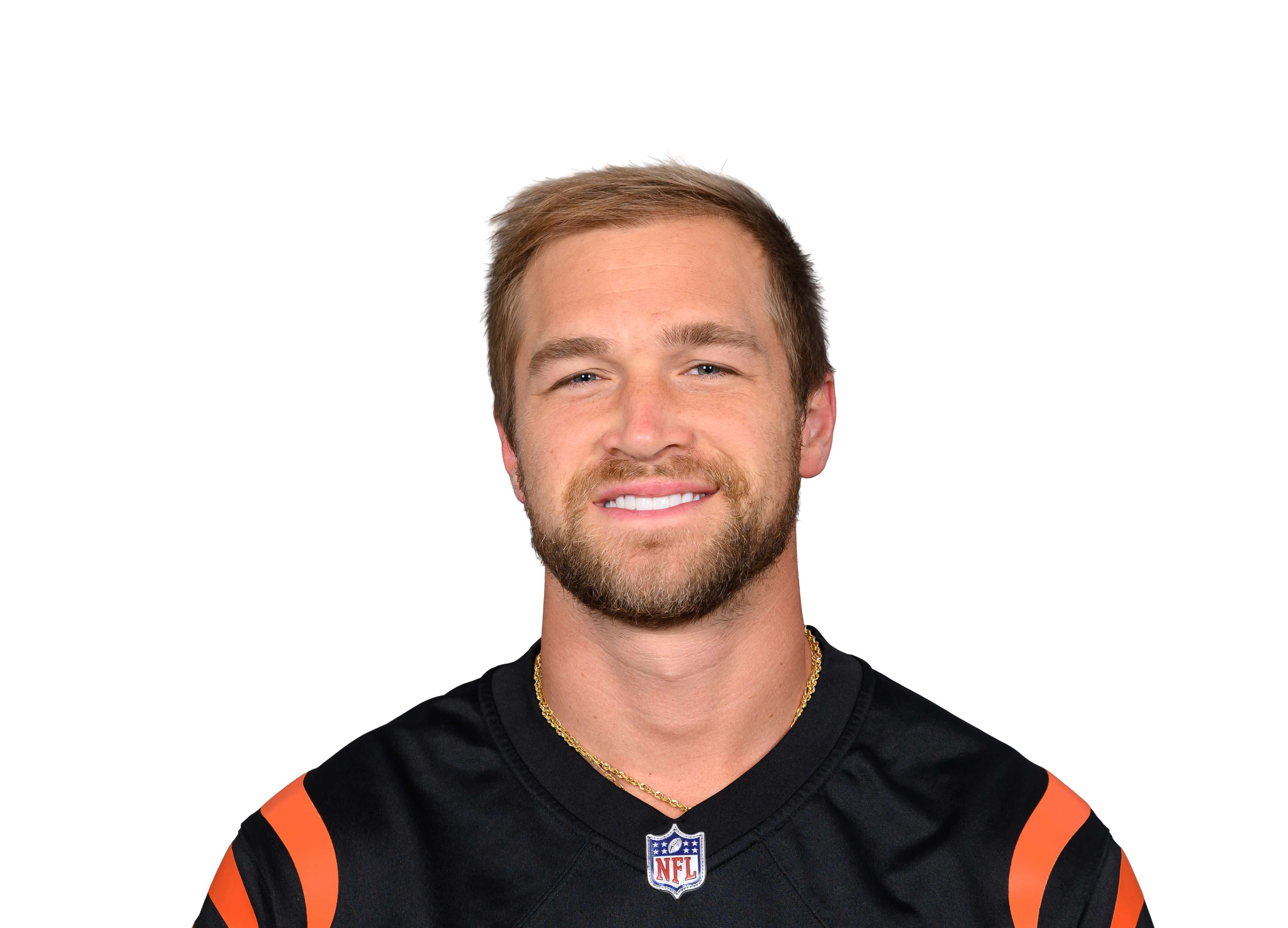
 Start: Mike Gesicki (TE, CIN) at WAS
Washington has allowed 20.2 PPR points per game to tight ends, second most, and that is exactly the type of matchup that can turn a fringe TE into a usable start. Gesicki’s recent 8% target share is not exciting, but Cincinnati’s 30.0 implied total gives him enough touchdown access to matter. The opponent edge is doing most of the heavy lifting here.
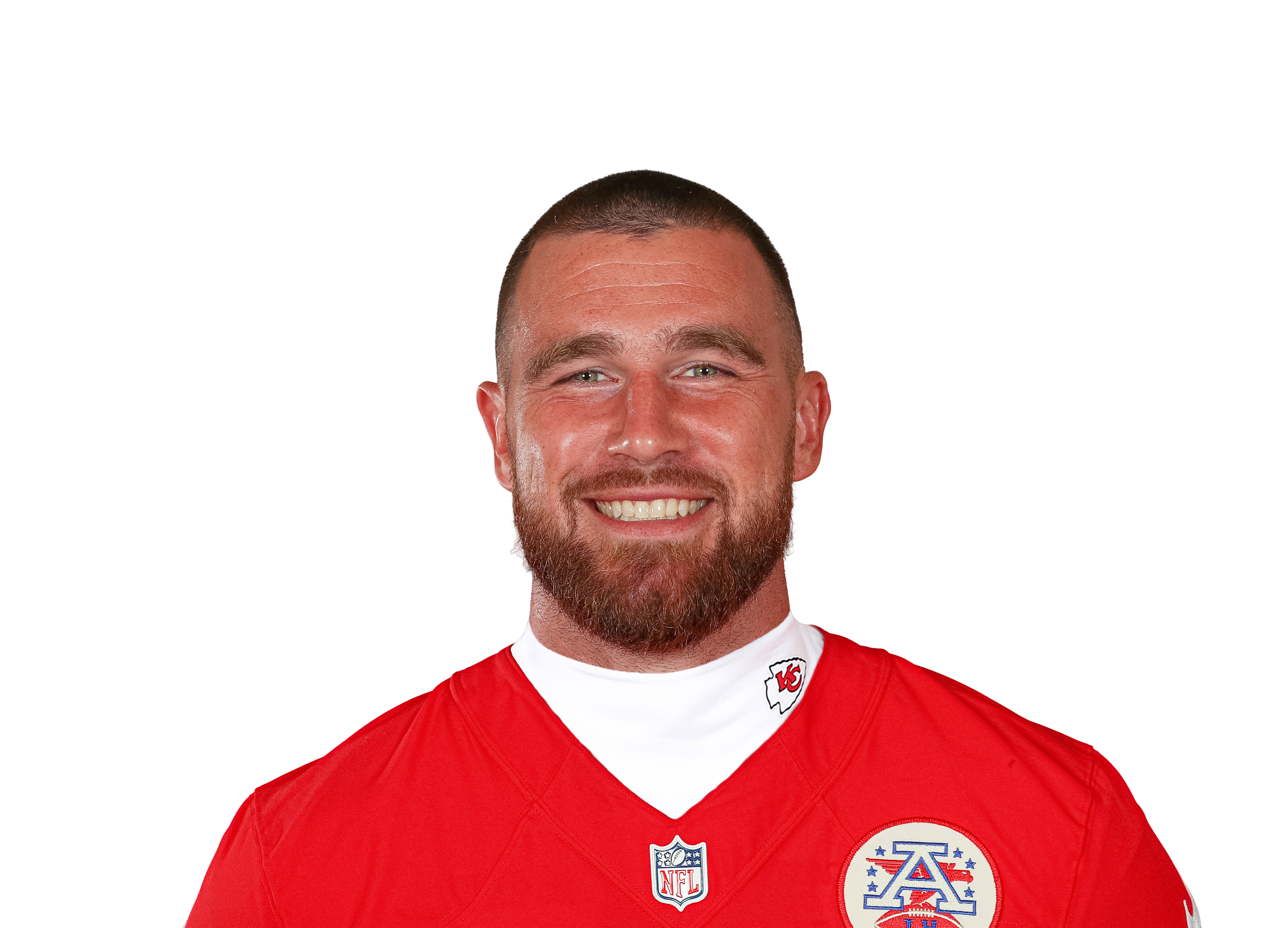 Start: Travis Kelce (TE, KC) vs ARI
Arizona has allowed 16.1 PPR points per game to tight ends, fifth most, which keeps Kelce in a strong starting spot even if his weekly ceiling has been more modest than in past years. He has averaged 11.3 PPR points per game over his last three and still owns a 15% target share in that span. Kansas City’s 28.0 implied total makes this a sound play.
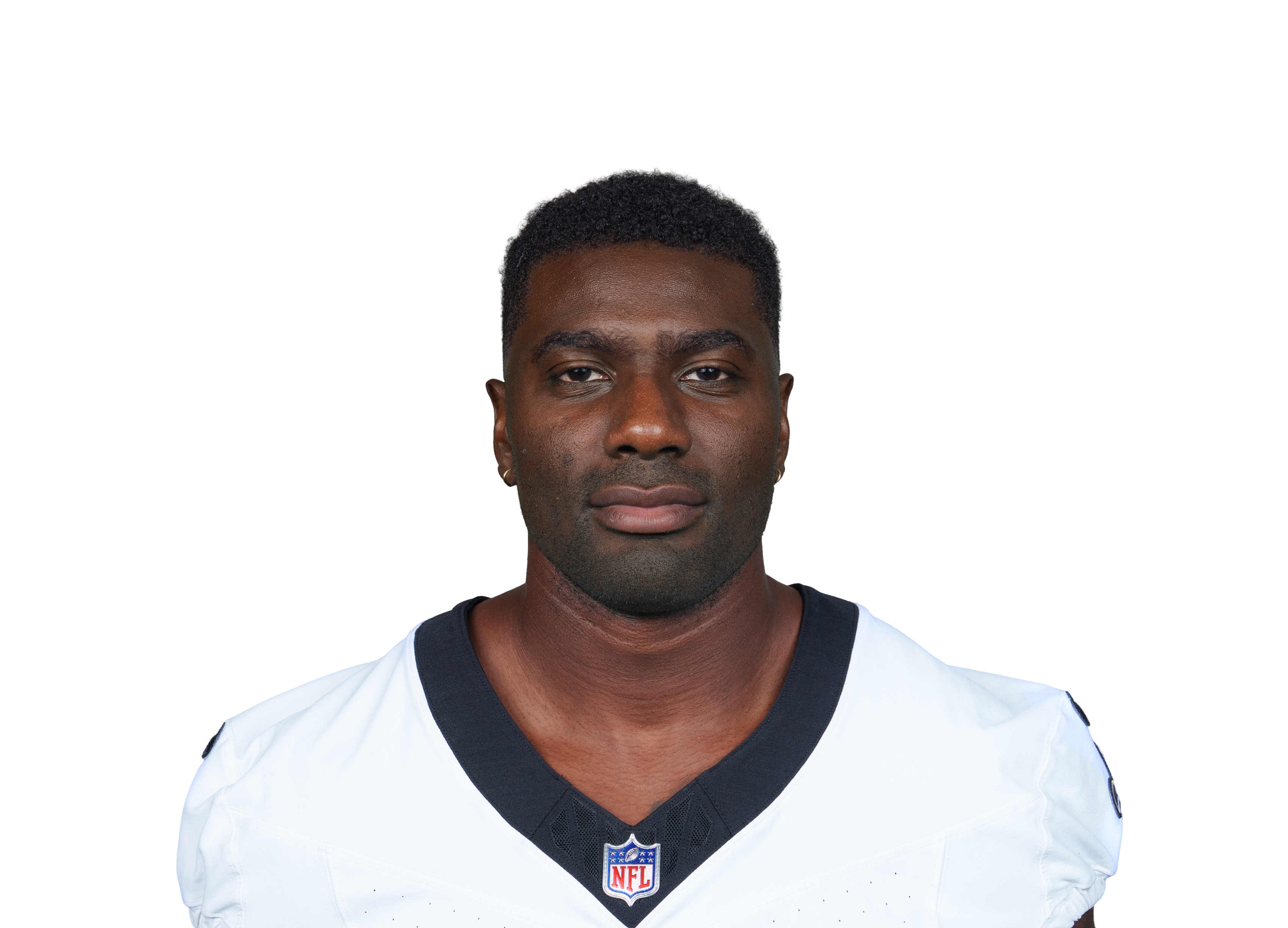 Sit: Juwan Johnson (TE, NO) at CHI
Chicago has allowed just 11.4 PPR points per game to tight ends, 10th fewest, and that makes this a difficult place to project a useful score. Johnson’s last three games have produced 6.0 PPR points per game on an 8% target share, so the usage is not strong enough to override the matchup. New Orleans’ 18.5 implied total only adds to the problem.
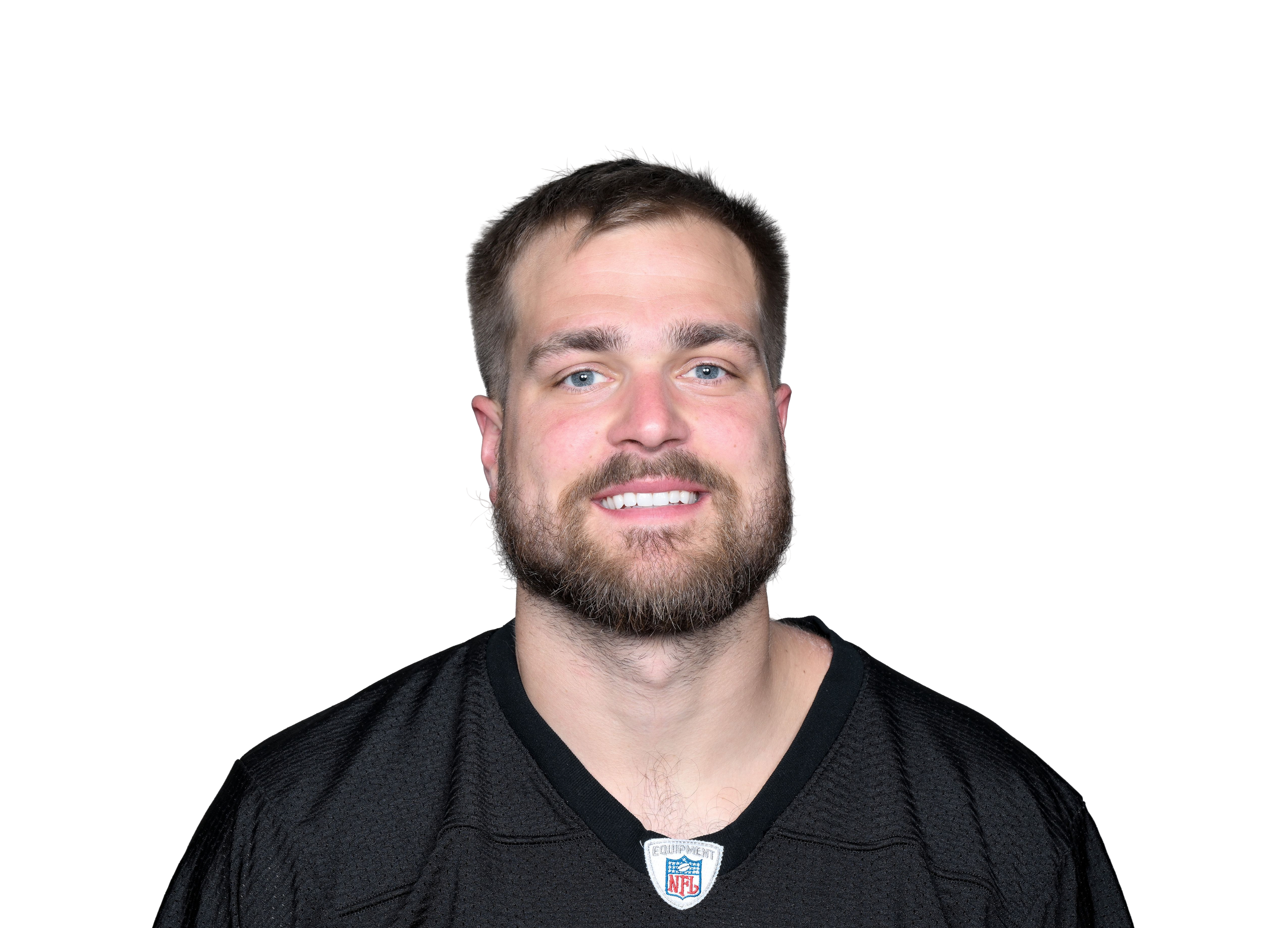
 Sit: Pat Freiermuth (TE, PIT) at PHI
Philadelphia has been even tougher on the position, allowing just 10.3 PPR points per game to tight ends, fourth fewest. Freiermuth has averaged 9.0 PPR points per game over his last three, but the 11% target share is still not enough to make this a comfortable start. Pittsburgh’s 21.0 implied total keeps the touchdown path alive, yet the floor remains too low.
Newsletter
Liked this profile?
Get the next analyses and board movement, once a week.
No spam. Unsubscribe anytime.